Who this is for
Families needing reliable evacuation shelter on a budget.
Skip if
Snow-heavy regions — get a 4-season tent.
Preparedness Gear
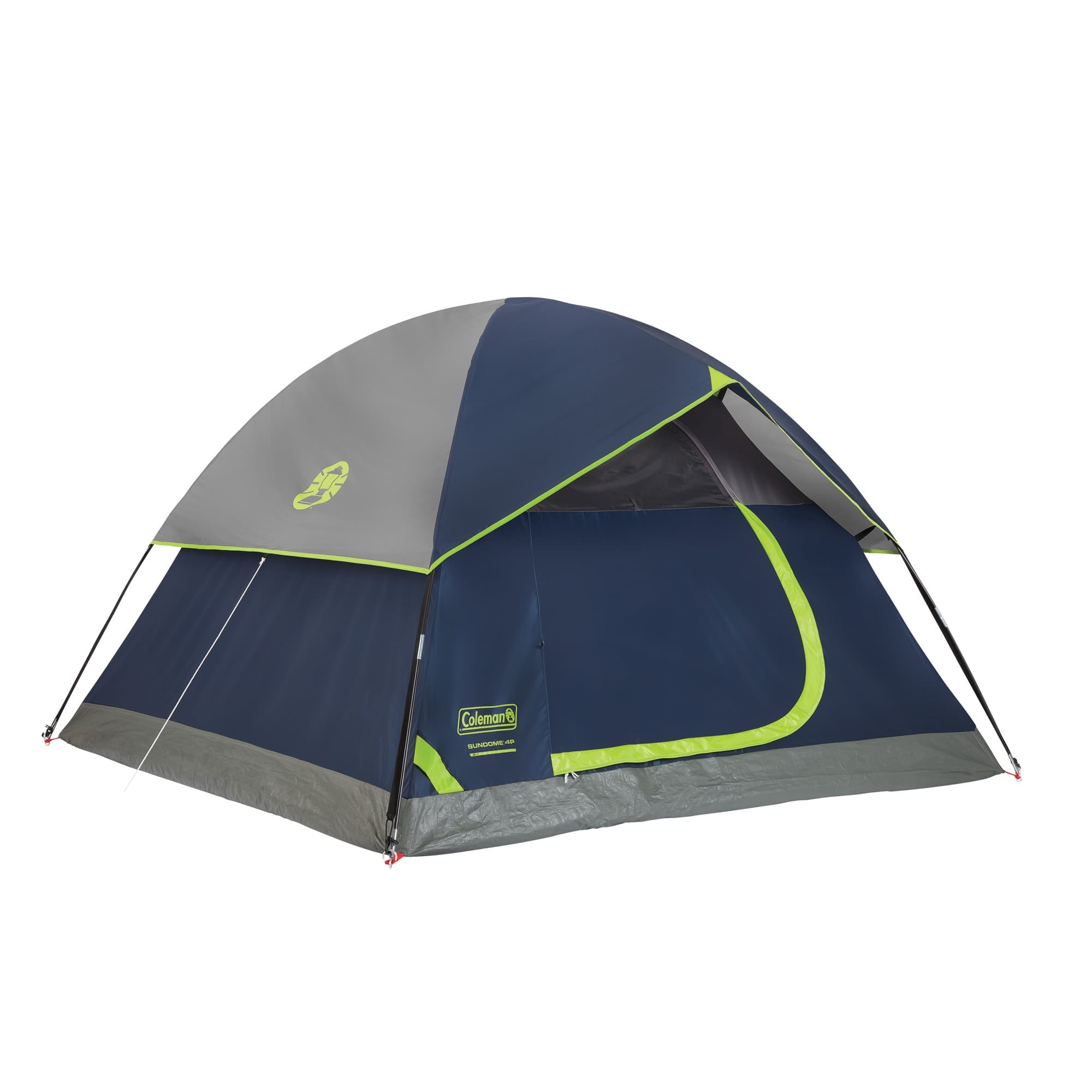
Coleman Sundome 3-Person Tent
Evaluated for household use · Affiliate links disclosed
A reliable, weather-resistant shelter for evacuations and extended outdoor stays without breaking the bank
Why we chose it
Its welded WeatherTec floor and roughly ten-minute setup make it a dependable budget evacuation shelter.
Buy From
ColemanAffiliate links · We earn a small commission at no cost to you. How this works
We evaluate every pick for real-world reliability.
Why this matters
Why this matters in an emergency
Sometimes the emergency is that your home isn't usable — a wildfire evacuation, a flood, a quake, or a stretch where the power's out and the house is too cold or too hot to stay in safely. When that happens, shelter becomes the problem to solve, and a reliable tent is the difference between a rough but manageable few nights and a miserable, exposed one.
The Coleman Sundome is the kind of no-drama shelter that households have relied on for exactly those situations for years. It sets up in about ten minutes even if you've never done it, its welded floor keeps groundwater out in a storm, and Coleman rates its frame to withstand up to 35 mph winds — with owners reporting it rides out weather that collapses cheaper tents. It comfortably sleeps two adults and a child, and it's affordable enough that having one in the closet isn't a big commitment. It's not a four-season mountaineering tent, and we'll be honest about its limits — but as the shelter a regular household keeps for evacuations and emergencies, it's a sensible, practical choice.
How We Evaluated
How we evaluated this
We researched this the way you'd judge a tent meant for shelter rather than recreation: by the features that keep you dry and standing in bad weather, checked against a deep well of owner experience. We looked at what matters — the WeatherTec welded floor and inverted seams that keep ground water out, the setup time, the rated wind resistance, and the real capacity (tent 'person' ratings are notoriously optimistic, so we checked what fits comfortably versus the label) — and cross-referenced Coleman's published specs, which we read via multiple retailer listings since coleman.com isn't directly reachable, against a large body of long-term owner experience. This tent has a deep base of owner reports to draw on, used in real conditions by many people.
Those reviews are the heart of it: we read widely for the patterns that only show up after seasons of use — how the rainfly performs in a real downpour, whether the stakes hold (they often don't, a common gripe), how it handles wind at and beyond its rating, and how it lasts over years. And we read camping and evacuation discussion about where it fits versus pricier tents. We haven't pitched one in a storm ourselves — but between the spec and that owner experience, we can tell you what it reliably does, where it falls short, and how to set it up so it performs.
Our pick: Coleman Sundome 3-Person Tent
The verdict
A weather-resistant shelter for evacuations and extended outdoor stays without breaking the bank — designed for wet-weather use, and owners report it holds up in real storms. Fast to set up under stress, just not built for heavy snow.
- Owners report it holds up in real storms
- Fast setup under stress
- Comfortable for a family of 3
- Not 4-season — inadequate in heavy snow
- Stakes are flimsy, replace them
What it does well
The Sundome's reputation is for being dependable and easy, which is exactly what you want from emergency shelter. Setup is genuinely simple — two color-coded poles, up in about ten minutes even for someone that's never done it, which matters when you're tired and stressed after an evacuation. Its WeatherTec system is the real feature: a welded, tub-style floor and inverted seams that keep ground water from wicking or pooling in, so a wet night doesn't mean a wet sleeping bag. That's the difference between a tent that shelters you and one that just slows the rain down.
It's also sturdier than its price suggests. Coleman rates it to withstand up to 35 mph winds, and owner experience generally backs that up when it's staked and guyed properly — it rides out weather that collapses cheaper dome tents. The three-person size comfortably sleeps two adults and a child, or two adults with gear, which suits a small family's emergency needs. And it's inexpensive and widely available, so keeping one for emergencies is an easy, low-commitment decision. For affordable, dependable shelter, it's a sensible choice.
What it does poorly
Be honest about what it isn't: a four-season or heavy-weather tent. It's a three-season design, built for spring-through-fall conditions — it'll struggle under heavy snow load, and its ventilation and partial rainfly aren't made for sustained brutal weather. The included stakes are the weak link almost every owner mentions; they're thin and bend easily, so replacing them with sturdier ones is a near-mandatory upgrade for real wind. The 'three-person' rating, like most tents, is tight if taken literally — three adults and gear is cramped, which is why we frame it as two-plus-a-child. And the partial rainfly means that in a serious, wind-driven downpour, rain can reach the mesh upper, so it's good in rain, not bombproof.
Where it shines
Evacuations and displacement in fair-to-moderate weather: a place to sleep when home isn't an option, in a campground, a relative's yard, or an evacuation site. It's also a fine general-purpose family camping tent, which means it gets used and you stay familiar with setting it up — useful for when you need it under pressure.
Where it frustrates
Lean on it in heavy snow or a violent storm and it'll show its three-season limits. And if you trust the flimsy included stakes in real wind, you'll likely be chasing the tent across the campsite — swap them out before you need it. Match it to its conditions and it's reliable; push it past them and it struggles, like any tent at its price.
Other options to consider
A 4-season / mountaineering tent
The right tool if you face real snow and wind — at a much higher price. Four-season tents handle snow load and violent weather the Sundome can't, but they cost several times as much, are heavier, and run hot in mild weather. For most households' evacuation needs in moderate conditions, that's overkill. Choose a 4-season tent only if you genuinely face winter mountain conditions.
Coleman Sundome 4- or 6-person
The same tent, sized up. If your household is larger or you want room for gear and people to wait out bad weather inside, the bigger Sundomes offer the same WeatherTec weather protection with more space. The trade is bulk, weight, and a little more setup. For a small family the 3-person is efficient; for more people, just size up within the same line.
A cheap big-box dome tent
Tempting on price, but a poor bet for emergencies. Bargain tents often skip the welded floor and use weaker poles and fabric, so they leak and fail in exactly the weather an emergency brings. The Sundome costs a little more and is built better for exactly that. When the tent is your shelter and not just a fun weekend, that difference is worth the small premium.
Longevity
How long will this actually last
A tent's life is mostly about how it's stored, not how often it's used. The Sundome's poles, welded floor, and body hold up for many years of occasional use; the parts that age are the elastic pole shock-cord (which slowly loosens), the rainfly's water-repellent coating (which wears with sun and time), and the zippers (the most common eventual failure point). The single biggest thing that kills tents, though, is storing them damp — pack a tent away wet and mildew grows, which both smells and degrades the fabric and its waterproof coating.
So the rule is simple: always dry it completely before storage, and keep it loosely packed somewhere cool and out of direct sun, since UV is what breaks down tent fabric fastest over the years. The flimsy stock stakes will bend and are worth replacing early with stronger ones. Every few seasons, refreshing the waterproofing with a spray-on treatment restores a rainfly that's started to wet through. None of this is hard — dry storage, no UV, better stakes, occasional re-waterproofing — and done consistently, a Sundome lasts many years. Set it up once a year in the yard, too, so you confirm all the parts are there and you remember how before you need it in a hurry.
Questions people actually ask
Will it really hold up in a storm?
How many people does it actually fit?
Is it hard to set up?
Can I use it in winter or snow?
What should I upgrade or add?
Technical Specifications
| Capacity | 3-person (comfortably 2 adults + a child) |
| Floor Dimensions | 7 x 7 ft (Coleman spec, via retailers) |
| Center Height | 4 ft 4 in (Coleman spec, via retailers) |
| Weathertec | Tub-like floor, welded corners, inverted & taped seams (Coleman spec, via retailers) |
| Wind Rating | Frame tested to withstand up to 35 mph (Coleman spec, via retailers) |
| Setup Time | About 10 minutes (retailer copy; not a tested figure) |
| Seasonality | 3-season |
Sources we consulted
We may earn a commission when you buy through links on this page. How this works
Preparedness Gear
Coleman Sundome 3-Person Tent
Evaluated for household use · Affiliate links disclosed
A reliable, weather-resistant shelter for evacuations and extended outdoor stays without breaking the bank
Why we chose it
Its welded WeatherTec floor and roughly ten-minute setup make it a dependable budget evacuation shelter.
Buy From
ColemanAffiliate links · We earn a small commission at no cost to you. How this works
We evaluate every pick for real-world reliability.