On a slow or spotty connection?

This is educational content. In an active emergency, call 911. See our Terms of Service for full liability information.

Your power just went out.

Take a breath. Most outages are back within a few hours. Here's how to keep your food safe, your phone alive, and everyone comfortable while you wait.

If any of these happen, act first

  • A carbon monoxide alarm sounds. Get everyone outside right away and call 911. Don't go back in to open windows — CO can put you down before you notice anything, because you can't smell it at all.
  • You see a downed power line. Stay far back — at least a school bus length — and call 911. A line can be live without sparking or humming.
Here's what's actually going on. The lines that feed your house are down somewhere — maybe a tree on a wire, a blown transformer, or a storm that knocked out a whole substation. The average outage in the US is back in under eight hours, but ice storms and hurricanes can stretch that to days. The second the grid drops, your heating and cooling quit, and your fridge starts a slow warm-up. Food stays safe for about four hours because a closed fridge holds cold like a cooler — until the cold leaks out. Knowing that clock is running is half the battle.
First things first

What breaks first

01

Your fridge starts a clock

The moment the power drops, your fridge begins warming up. Kept shut, it holds food safely for about four hours, and a full freezer can last up to two days. The catch is that every time you open the door to check, you let the cold out and shorten that window. Treat it like a cooler you are rationing — not a cabinet you keep opening.

02

Phones and laptops drain

With nothing to plug into, your battery quietly becomes your most important supply. It is your flashlight, your weather updates, and your way to reach family, all at once. Most people burn through it fast out of nervous habit — checking, refreshing, scrolling. Protecting that charge in the first hour matters far more than it feels like it should.

03

Medical devices stop

Anything that plugs in to keep someone well — a CPAP, an oxygen concentrator, a fridge full of insulin — goes quiet the instant the grid does. For a lot of families, this is the part that turns an inconvenience into something serious. If someone at home depends on a device, it needs a backup plan before the next outage, not during one. There's a whole section on this below.

04

Heat and AC shut off

Your furnace and air conditioner both run on power, so they stop right away. After that, your home slowly drifts toward whatever it is outside — cooling down in winter, heating up in summer. A well-sealed house buys you hours, but not forever. In a hard freeze or a heat wave, the indoor temperature becomes the thing to watch most closely.

Free to do now

Start with these — they cost nothing

You can do every one of these right now, with what's already in your home.

  • Keep the fridge and freezer shut — every peek lets cold air out. Don't open them unless you have to.
  • Switch phones to low-power mode — dim the screen and close apps to stretch the battery for hours.
  • Unplug big electronics — a surge when power returns can damage TVs and computers. Leave one lamp on so you know when it is back.
  • Fill a few jugs with water — in case the outage drags on or affects your water pressure.
  • Text instead of calling — texts get through even when the network is busy.
Download printable checklist

One page with tick boxes — print it or keep it on your phone. No account needed.

As time passes

What to do, hour by hour

Under 12 hours

Settle in and protect what you have

  • Keep the fridge and freezer closed — every opening costs about 30 minutes of cold.
  • Charge every phone and battery pack now, especially if the power is flickering.
  • Fill the bathtub and a few jugs in case water pressure drops or your well pump is down.
  • Text, don't call — short texts route through congested networks better than voice.
  • Find your flashlights and headlamps before dark, while you can still see.
  • Knock on the doors of older neighbors or anyone that lives alone.
12–48 hours

Stretch your food and power

  • Move freezer food into coolers packed with ice — or outside if it is below freezing.
  • Eat the fridge food first; it spoils before anything in the freezer.
  • Charge devices from your car USB port or a power station — run the car outdoors only.
  • Drop to one shared light and one shared device to stretch the power you have.
  • Write down what is in the freezer so you can judge food safety later without opening it.
  • If it is cold, gather everyone into one room and shut the doors to the rest of the house.
48 hours and beyond

Make safe calls

  • Throw out perishable food that has been above 40°F for more than two hours — when in doubt, toss it.
  • If the house is getting dangerously hot or cold, plan to stay with family or at a public shelter.
  • Refill water containers while you still have pressure, and ration what is stored.
  • When power returns, plug major appliances back in one at a time to avoid tripping the line.
  • Photograph spoiled food and any damage before cleanup — your insurance may ask for it.
Know the line

When it's more than an inconvenience

When to call 911

  • Anyone has carbon monoxide symptoms — headache, dizziness, confusion, nausea.
  • A downed line is touching your car, your house, or standing water.
  • Someone's powered medical equipment has failed and they're in distress.

When to leave

  • The house is getting dangerously cold or hot for an infant, an older adult, or anyone fragile.
  • You can't keep required medical equipment running and there's no restore estimate. Call your utility's medical line first if you're registered.
Extra care

If someone in your home is vulnerable

If someone uses a CPAP or home oxygen. These machines need steady power, and a night without apnea support or oxygen is not something to gamble on. A battery power station sized to the device is the real fix — set it up and test it before you ever need it. Many CPAP users can get through one night by sleeping propped up, but check with your doctor first, and if someone is on home oxygen, call your supplier now about backup tanks.

If someone depends on insulin. Insulin lives in the fridge, but it doesn't go bad the instant the power dies. Most types stay usable at room temperature for a stretch — often around 28 days — so don't panic, and don't pack it against ice, which can freeze and ruin it. Keep it in the warm part of a cooler, and call your pharmacy or the manufacturer's line if you're unsure about your specific insulin.

If you have a baby or young kids. Formula-fed babies need clean water for bottles, so boil and cool tap water if there is any advisory, and warm bottles in a bowl of hot water rather than guessing. Little kids lose and gain heat faster than adults — layer them up in the cold, keep them shaded and sipping water in the heat. A familiar toy and a flashlight go a long way; calm parents make calm kids.

If an older adult lives with you. Older bodies handle temperature swings poorly and can get into trouble before they think to mention it. Check on them often, dress them for the room's real temperature, and make sure they keep drinking water. If they take medications that affect heat or hydration, an outage is a good reason to move them somewhere climate-controlled sooner rather than later.
Worth knowing

Easy mistakes to avoid

01

Running the generator in the garage

Even with the door open, carbon monoxide builds in minutes. Outside only, at least 20 feet from windows and doors — per the CDC.

02

Opening the fridge to check on things

Every open costs you cold. Kept shut, a fridge holds safe temps for about 4 hours and a full freezer 24–48 hours — per USDA.

03

Heating the house with the gas oven

Ovens aren't vented for that, and the CO risk is real — per the CDC. Layers, one warm room, and closed doors work better than you'd think.

04

Burning through every phone battery at once

Put one phone on low-power mode and make it the household's lifeline. Texts get through when calls won't, and they sip battery.

Not sure what size you need? Size your backup power for your household →
If you want to be readier

Gear that helps in this situation

If outages are common where you live, a battery power station keeps your fridge, phones, and a light running — quietly, indoors, with no fumes.

EcoFlow Delta 2

EcoFlow Delta 2

Evaluated for household use · Affiliate links disclosed

A reliable option for most households

Why we chose it

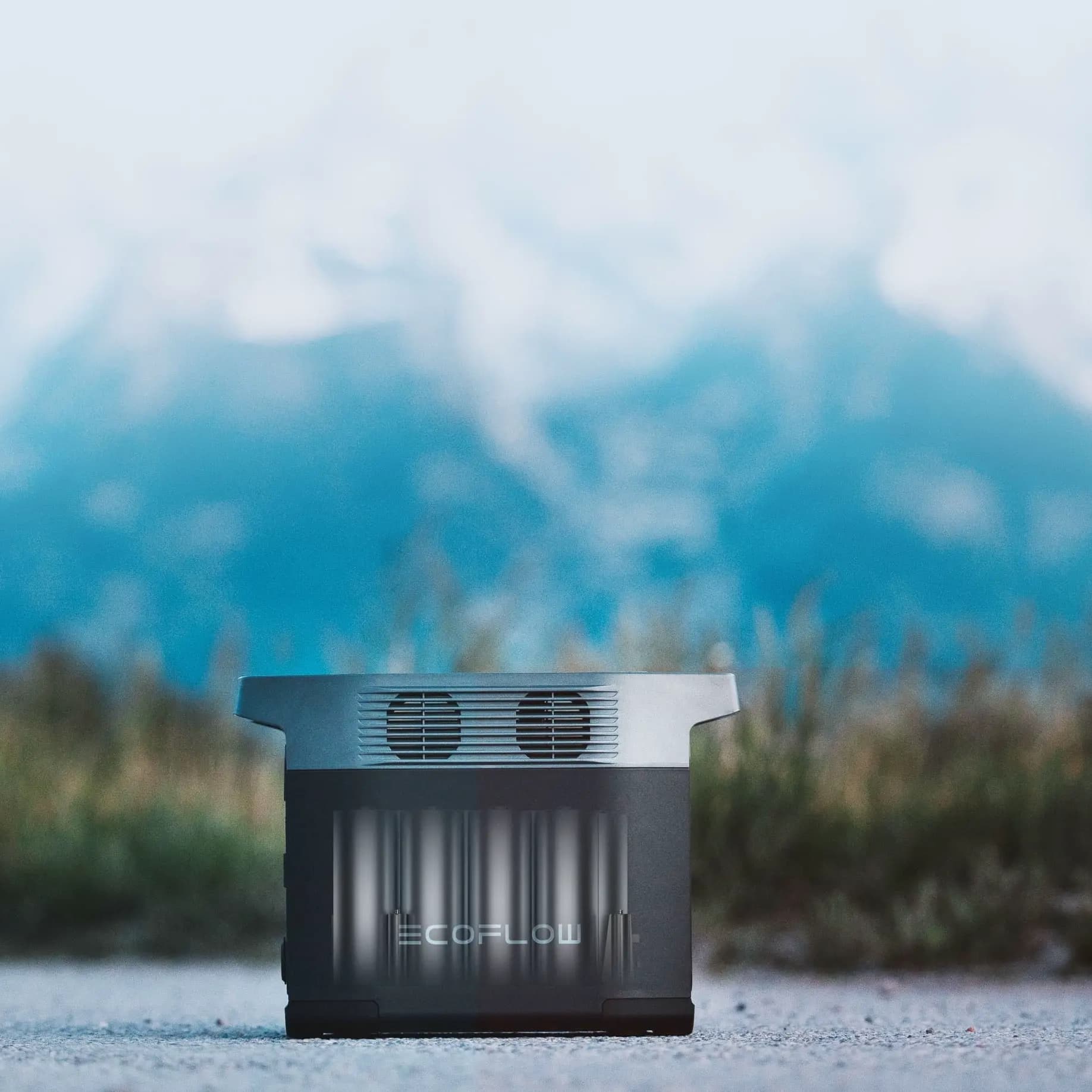
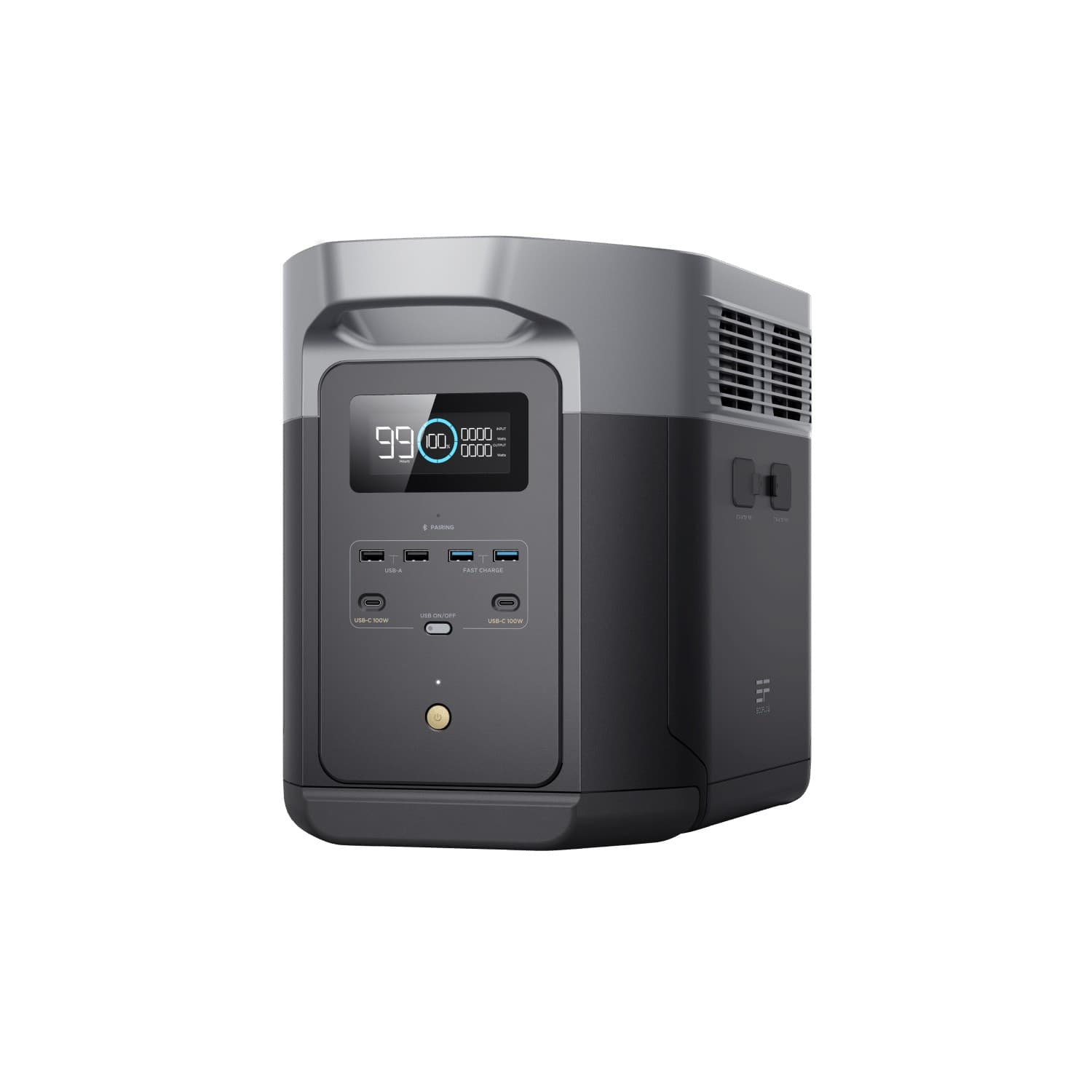
The DELTA 2 balances fast charging, safe indoor chemistry, and expandable capacity — with plug-and-play solar readiness when you want to add panels.

Buy From

EcoFlowRead the full review

Affiliate links · We earn a small commission at no cost to you. How this works
We evaluate every pick for real-world reliability.

EcoFlow Delta 2 Max

EcoFlow Delta 2 Max

Evaluated for household use · Affiliate links disclosed

Built for large families and extended outages

Why we chose it

When the standard Delta 2 isn't enough, the Max doubles capacity to 2,048 Wh and bumps output to 2,400 W — enough to start and run heavy appliances that smaller stations stall on.

Buy From

EcoFlowRead the full review

Affiliate links · We earn a small commission at no cost to you. How this works
We evaluate every pick for real-world reliability.

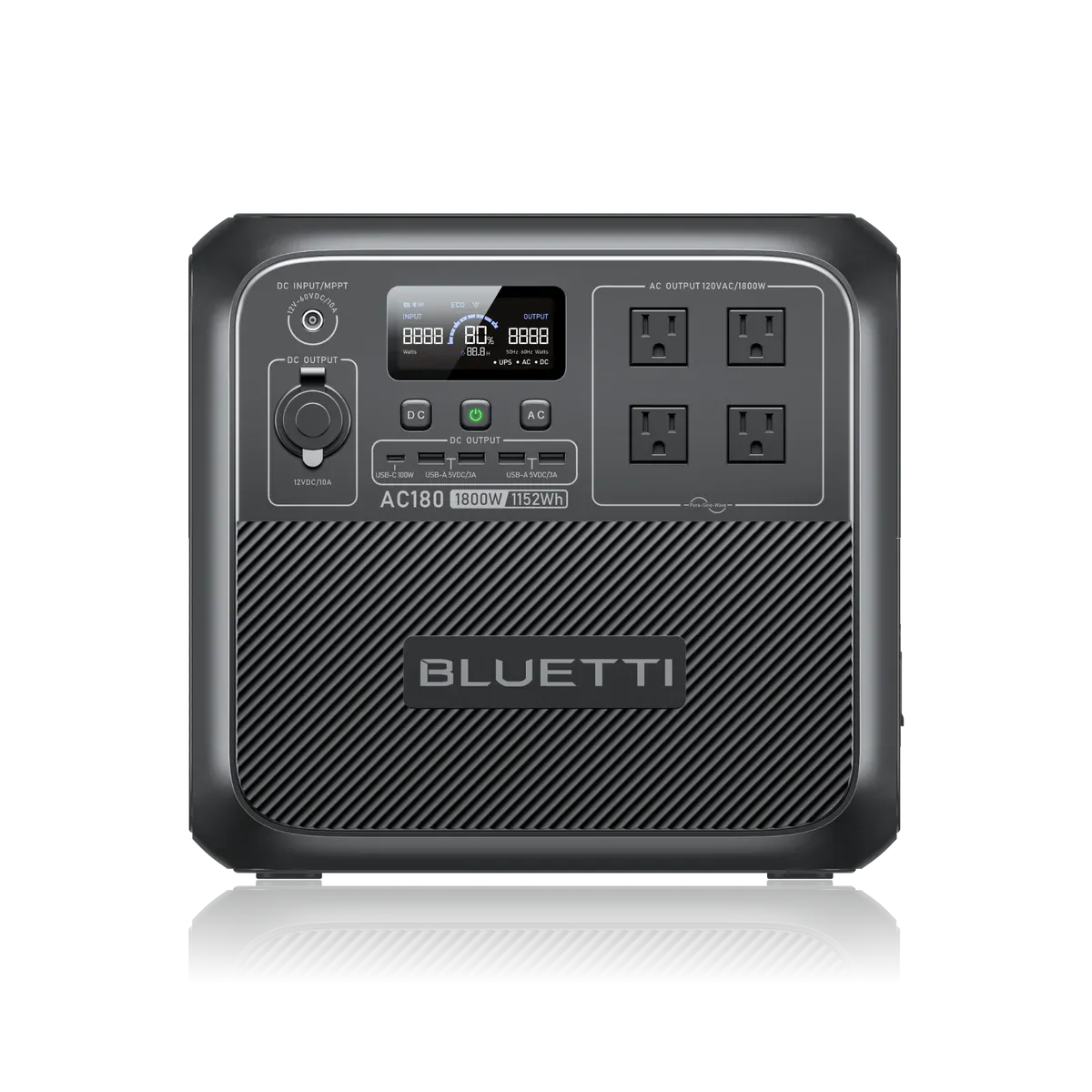
BLUETTI AC180

BLUETTI AC180

Evaluated for household use · Affiliate links disclosed

A solid value pick for budget-conscious households

Why we chose it

A safe LFP battery with a genuine 1,800-watt output and a standby battery-backup (UPS) mode for noticeably less than the premium units — enough to cover a household's essentials, with the UPS riding through brief grid flickers without rebooting.

Buy From

BLUETTIRead the full review

Affiliate links · We earn a small commission at no cost to you. How this works
We evaluate every pick for real-world reliability.

Good to know

Questions people actually ask

How long does food last in the fridge without power?

About four hours in the fridge if you keep the door shut, and up to 48 hours in a full freezer. The rule that matters is temperature, not time — anything that has sat above 40°F for more than two hours should go. A cheap fridge thermometer takes the guesswork out before you eat something questionable.

Is it safe to use a gas stove during a power outage?

If it's a gas stove you light with a match or igniter, it works fine for cooking. What's not safe is using that stove or oven to heat your home — it can build up carbon monoxide indoors. Cook with a window cracked, and never leave a burner running for warmth.

Can I run my generator in the garage?

No — not even with the door open. A portable generator gives off carbon monoxide that can kill within minutes, and a garage traps it fast. Run it outside, at least 20 feet from the house, pointed away from windows and doors. Indoors, a battery power station is the safe alternative.

What do I do if someone has a CPAP and the power goes out?

For a single night, many people can sleep without it by propping themselves upright — but confirm that with their doctor ahead of time. The dependable fix is a battery power station rated for the machine's wattage, charged and tested before an outage. If they also use oxygen, call the supplier now about backup tanks.

How do I keep my house cool without AC during an outage?

Close blinds and curtains on the sunny side, and keep windows shut through the hottest hours so you are not letting heat in. Open them at night when the air is cooler to flush the warmth out. Move to the lowest floor, drink water steadily, and put a damp cloth on your neck and wrists.

Should I call 911 during a power outage?

Only for a real emergency — a medical crisis, a fire, or someone in danger. Don't call 911 to report the outage or ask when power's coming back; that ties up lines other people need. Use your utility's outage number or app for updates, and a battery weather radio if your phone is dead.

Will my sump pump stop and flood my basement?

A standard sump pump runs on house power, so it stops the moment the grid does — and in a storm, water can rise in the pit within hours. A battery backup pump or a power station keeps it running. Short of that, a manual pump or a shop vac can buy you time.

Is the food in my garage fridge safe too?

Same rules apply, but a garage fridge struggles more because the air around it swings hot and cold. In summer it warms faster than one inside the house. Keep it shut, check the temperature, and move anything truly perishable into a cooler with ice if the outage runs past a few hours.

When things settle down

The calmest households aren't the most worried ones — they just have a plan. Once this passes, a few quiet minutes now saves a lot of stress next time.