Who this is for
Steps and short paths at a home with a dog, in winters that mostly stay in the teens and twenties.
Skip if
Below-zero cold snaps and big driveways.
Preparedness Gear
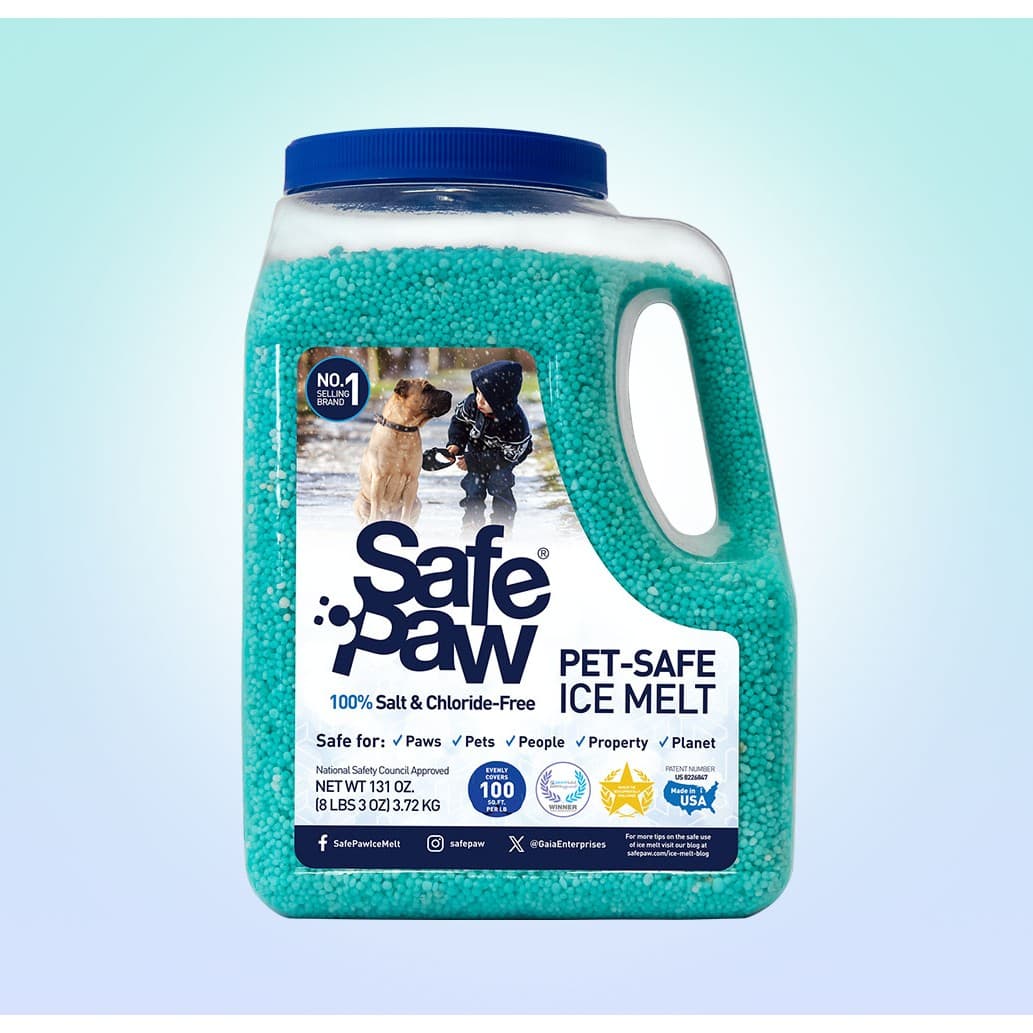
Safe Paw Ice Melt, 8 lb
Evaluated for household use · Affiliate links disclosed
Recommended for this situation
Why we chose it
It did well in two independent hands-on tests, including one against a standard melt at 12°F, and it skips the salt and chlorides many dog owners want to avoid.
Buy From
AmazonAlso available at
Affiliate links · We earn a small commission at no cost to you. How this works
We evaluate every pick for real-world reliability.
Why this matters
Why this matters in an emergency
Icy steps are how a winter storm turns into a broken wrist. A melt helps, but most bags are rock salt, and if a dog walks your path every day, a lot of owners would rather not use that.
The catch is chemistry. The University of Minnesota's winter salt guide, using the Minnesota Pollution Control Agency's figures, lists urea, the base of many pet-friendly melts, as working down to about 25°F, the warm end of the table. So the question with a pet-friendly bag isn't only "is it gentle?" It's "will it work on the mornings I need it?"
How We Evaluated
How we evaluated this
We researched Safe Paw the way we'd check it before buying it for our own house: the maker's product page and FAQ, two independent hands-on tests (Bob Vila and Reviewed), the University of Minnesota's winter salt guide for the chemistry, and Amazon's summary of owner reviews. We don't have hands-on time with it yet. Every temperature below is attributed, because the sources don't agree.
Our pick: Safe Paw Ice Melt, 8 lb
The verdict
Safe Paw is recommended for this situation: a home with a dog, steps that ice over, and winters that mostly hover in the teens and twenties. It's salt-free and chloride-free, and its maker says it's safe for pets and kids even if swallowed. In two hands-on tests it held its own against a standard melt at 12°F and worked at 15°F, but struggled colder than that. On a hard cold snap, it isn't the bag you want.
- Salt-free and chloride-free
- Matched a standard melt on grip at 12°F (Reviewed)
- Uses about half as much as salt (maker)
- Struggled below 15°F in testing
- Melts more slowly than stronger melts
- Owners split on concrete and grass
What it does well
It's chloride-free and gentle to walk on. The maker lists modified carbonyl diamide crystals, glycols and surfactants, and its FAQ calls the base modified urea. Bob Vila's tester found its non-abrasive texture gave their dogs "zero issues walking through it," and the dogs played where it was spread with no reaction.
It held up against a standard melt in a cold test. Reviewed built an ice rink in its parking lot on a 12°F day and slid a hockey puck across lanes of each product. Safe Paw gave about the same grip as a standard, non-pet-friendly melt, which weakened the ice a little more, and it beat three other pet-friendly melts on grip.
It goes further than salt. The maker says to use half of what you'd use with salt, and that 2 cups cover 150 square feet.
What it does poorly
Cold. Bob Vila tested ice melts in Montana in temperatures as low as -6°F and found Safe Paw melted ice at 15°F but struggled when it got colder. It also melted more slowly than the stronger products in that test. The maker says it works to -2°F; the agency table puts urea at 25°F. We'd plan around the tester's 15°F, not the label.
Where it shines
A short path and a few steps at a home with a dog, on mornings in the teens and twenties.
Where it frustrates
Deep cold snaps, and big driveways, where a jug this size doesn't go far. For the coldest days, a calcium chloride melt works to about -20°F per the same agency table, but it's a chloride, with the trade-offs that come with that.
What owners report
Amazon's summary of owner reviews is split. Owners like that it's safe for pets and non-toxic. Melting gets mixed feedback: some say ice melted completely within half an hour, others say it didn't work at all. Owners also disagree on whether it protects concrete and grass, with some reporting damage. That spread fits the temperature limits above: a urea melt on a very cold day can look like a melt that "doesn't work."
Other options to consider
Natural Rapport pet-friendly ice melt
Bob Vila's favorite melt overall, a calcium-chloride-free blend that worked fast in its test. Its maker publishes no working temperature that we could find.
Longevity
How long will this actually last
Ice melt doesn't wear out the way a tool does, but it can spoil in storage. The maker says Safe Paw has no expiration date if the container is sealed tightly and kept dry, so it can carry over to next winter. On concrete, the maker says it's for cured concrete at least 12 months old and suggests testing a small patch first. The maker also says it's safe for lawns and plants.
Questions people actually ask
Is it really safe for my dog?
How cold can it work?
Will it hurt my concrete?
How much do I use?
What should I use when it gets really cold?
Technical Specifications
| Size | 8 lb jug (also 22 lb and 35 lb, per the maker) |
| Ingredients | Modified carbonyl diamide (urea) crystals, glycols, surfactants; salt-free and chloride-free (maker) |
| Lowest Temperature, Maker | -2°F (maker claim) |
| Lowest Temperature, Tested | Melted ice at 15°F, struggled colder (Bob Vila) |
| Coverage | 2 cups per 150 sq ft; about half the amount of salt (maker) |
| Concrete | Cured concrete at least 12 months old (maker) |
| Shelf Life | No expiration if sealed and dry (maker) |
Sources we consulted
We may earn a commission when you buy through links on this page. How this works
Preparedness Gear
Safe Paw Ice Melt, 8 lb
Evaluated for household use · Affiliate links disclosed
Recommended for this situation
Why we chose it
It did well in two independent hands-on tests, including one against a standard melt at 12°F, and it skips the salt and chlorides many dog owners want to avoid.
Buy From
AmazonAlso available at
Affiliate links · We earn a small commission at no cost to you. How this works
We evaluate every pick for real-world reliability.