On a slow or spotty connection?
Geological8 min read

Earthquake Readiness

Earthquakes occur without warning. Knowing what to do in the first few seconds is critical for survival.

What’s really going on

An earthquake is the rare emergency with no warning at all. There's no forecast, no watch, no time to prepare once it starts — the ground simply moves, and what you do in the first few seconds is mostly down to what you decided long before. That's why earthquake readiness is almost entirely about the 'before.'

Here's the part that surprises people: in most earthquakes, the building doesn't fall on you. The injuries come from the stuff inside — the bookshelf that tips over, the TV that flies off the stand, the dishes and glass that turn into shrapnel, the water heater that topples and breaks a gas line. Securing your home is what actually keeps your household safe, far more than anything you'll do during the shaking itself.

And then there's the after. The first quake is rarely the last — aftershocks follow for days or weeks, and they bring down things the first one only weakened. So earthquake readiness is really three habits: bolt down the dangers ahead of time, know the one move to make when it hits ('drop, cover, hold on'), and be ready to live without services for a few days while the ground settles.

Phase 1

Before: Prepare Now

01

Secure heavy furniture

Anchor tall, heavy things to the wall studs — bookshelves, dressers, china cabinets, and especially the water heater — using inexpensive steel straps or furniture anchors. This is the single most effective thing you can do. USGS earthquake guidance is blunt about the hazard: stay clear of heavy furniture and appliances during shaking, and treat the kitchen as a dangerous place, because things can fall on you. A toppling water heater can also snap its gas line, so strap it and use a flexible connector.

02

Identify safe spots

In each room, find the sturdy table or desk you'd duck under, and know the spots to avoid — under windows, near tall furniture, beneath hanging fixtures. Practice 'drop, cover, hold on' with your whole household, kids included, so the move is automatic. In the shaking, you won't have time to think; you'll do whatever you've rehearsed.

03

Store breakables low

Move heavy and breakable items — framed glass, vases, canned goods, anything that could become a projectile — down to low shelves, and add child-proof latches to cabinet doors so they don't fly open and spill their contents. Keep beds away from windows and from under heavy shelves or mirrors, since a quake at night is one you'll face lying down.

04

Know your shutoffs

Learn where your main gas shutoff valve is and keep the right wrench attached nearby, so you can close it fast if you smell gas afterward. Do the same for your water main. Teach the adults in the house how to use them. Only shut the gas off if you suspect a leak — and remember that once it's off, the utility, not you, turns it back on.

Phase 2

During: Stay Safe

01

Drop, cover, and hold on

The moment the ground moves: drop to your hands and knees so the quake can't knock you down, cover your head and neck (get under a sturdy table if one's close, otherwise cover up against an interior wall), and hold on to your shelter until the shaking fully stops. This one sequence is what protects you from the falling and flying objects that cause most injuries.

02

Stay where you are

If you're indoors, stay indoors — do not run outside while it's shaking. The most dangerous place is the doorway and the area just outside, where falling glass, bricks, and facade debris come down. Most injuries happen when people try to move during the shaking. Take cover where you are and wait it out; move only once the ground is still.

03

Stay clear of hazards

Keep away from windows, mirrors, hanging lights, and tall unanchored furniture as you take cover — these are the things that break and fall. If you're in bed, stay there, turn face-down, and cover your head and neck with a pillow, unless you're under a heavy fixture that could fall, in which case move to the nearest safe spot.

04

Pull over if driving

If you're driving, slow down and pull over to a clear area — away from overpasses, bridges, power lines, signs, and large trees — then stop and stay in the car with your seatbelt on until the shaking ends. The car protects you from most falling debris. When it stops, drive on cautiously, watching for damaged road, downed lines, and rubble.

Phase 3

After: Recover Safely

01

Check for gas leaks

If you smell gas or hear a hissing, get everyone out, then shut off the main gas valve if you can do it safely. Don't flip light switches, don't light a match, and don't start the car near the house — a spark in a gas-filled space causes an explosion. Once the gas is off, leave it off and call the utility; they'll inspect before it goes back on.

02

Expect aftershocks

Aftershocks are coming — sometimes within seconds, sometimes for weeks — and they can finish off structures the first quake weakened. Each time you feel one, drop, cover, and hold on again. Be cautious around damaged buildings, cracked walls, and anything leaning; what held through the first shock may not survive the next, so don't go poking through a damaged structure.

03

Listen for alerts

Tune a battery or hand-crank radio to your local emergency station for official instructions, shelter locations, and word on whether the water and gas are safe. Cell networks are usually jammed right after a quake, so default to texting over calling to reach family, and rely on the radio for trustworthy information instead of secondhand rumors.

Avoid

Common Mistakes

Running outside or to a doorway

The old advice to stand in a doorway is outdated and dangerous in a modern home, and running outside is worse — the area around a building, where bricks, glass, and facade pieces rain down, is one of the most dangerous places to be during shaking. Doorways don't offer special protection and leave your head and torso exposed. Drop, cover, and hold on where you are; that's what actually keeps you safe.

Not securing furniture and the water heater

People assume the danger is the building collapsing, so they never bolt down the bookshelf, the cabinet, or the water heater — and those are exactly what hurt people and start fires. An unstrapped water heater can topple and rupture its gas line. Wall anchors and straps cost very little and take an afternoon, and they prevent the injuries earthquakes most commonly cause.

Lighting a match or flipping switches afterward

After a quake, the reflex is to flip a light switch to see or light a candle when the power's out — but if a gas line cracked, that spark can cause an explosion. Use a flashlight, never a flame, until you're sure there's no gas leak. If you smell gas, get out first, then shut off the main valve, and don't operate any electrical switches inside.

Assuming the first shock is the only one

Once the shaking stops, people relax and walk into damaged rooms to survey or clean up — right as an aftershock hits and brings down what was barely holding. Aftershocks are a near certainty and can be strong. Stay out of visibly damaged areas, be ready to drop, cover, and hold on again at any moment, and treat the hours and days after as still part of the event.

Questions people actually ask

Should I run outside during an earthquake?
No. The area right outside a building is one of the most dangerous places to be, because that's where broken glass, bricks, and pieces of the facade fall. Most earthquake injuries happen when people try to move during the shaking. The safest thing is to drop to the ground, take cover under something sturdy or against an interior wall, protect your head and neck, and hold on until the shaking completely stops — then move outside carefully if the building is damaged.
Is standing in a doorway during an earthquake safe?
Not anymore — that advice comes from old adobe houses where the doorway was the strongest part. In a modern home, a doorway is no stronger than the rest of the structure, and standing in one leaves your head and body exposed to falling objects, plus a swinging door can injure you. 'Drop, cover, and hold on' under a sturdy table or against an interior wall protects you far better. Skip the doorway.
What's the single most important thing I can do to prepare?
Secure the heavy stuff in your home to the walls — tall furniture, bookshelves, the water heater — because tipping and falling objects cause most earthquake injuries, not collapsing buildings. Anchors and straps are cheap and go up in an afternoon. After that, practice 'drop, cover, hold on' so it's automatic, and keep a few days of water, food, and supplies on hand, since services can be out for a while afterward.
How long do aftershocks last?
They can continue for days, weeks, or even months after a significant earthquake, generally getting smaller and less frequent over time — but a strong aftershock can come early and do real damage, especially to structures the main quake already weakened. Treat every aftershock as the real thing: drop, cover, and hold on. Stay out of damaged buildings, and don't assume it's over just because the first big shock has passed.
What should I do about my gas and electricity after a quake?
Only shut off the gas if you smell it, hear hissing, or see a broken line — then close the main valve, leave the house, and call the utility, because once it's off it should only be turned back on by a professional. Don't flip electrical switches or use any flame until you're sure there's no gas leak, since a spark can ignite it. If you see damaged wiring or smell burning, shut off the electricity at the main breaker if you can reach it safely.
Recommended Preparedness Gear

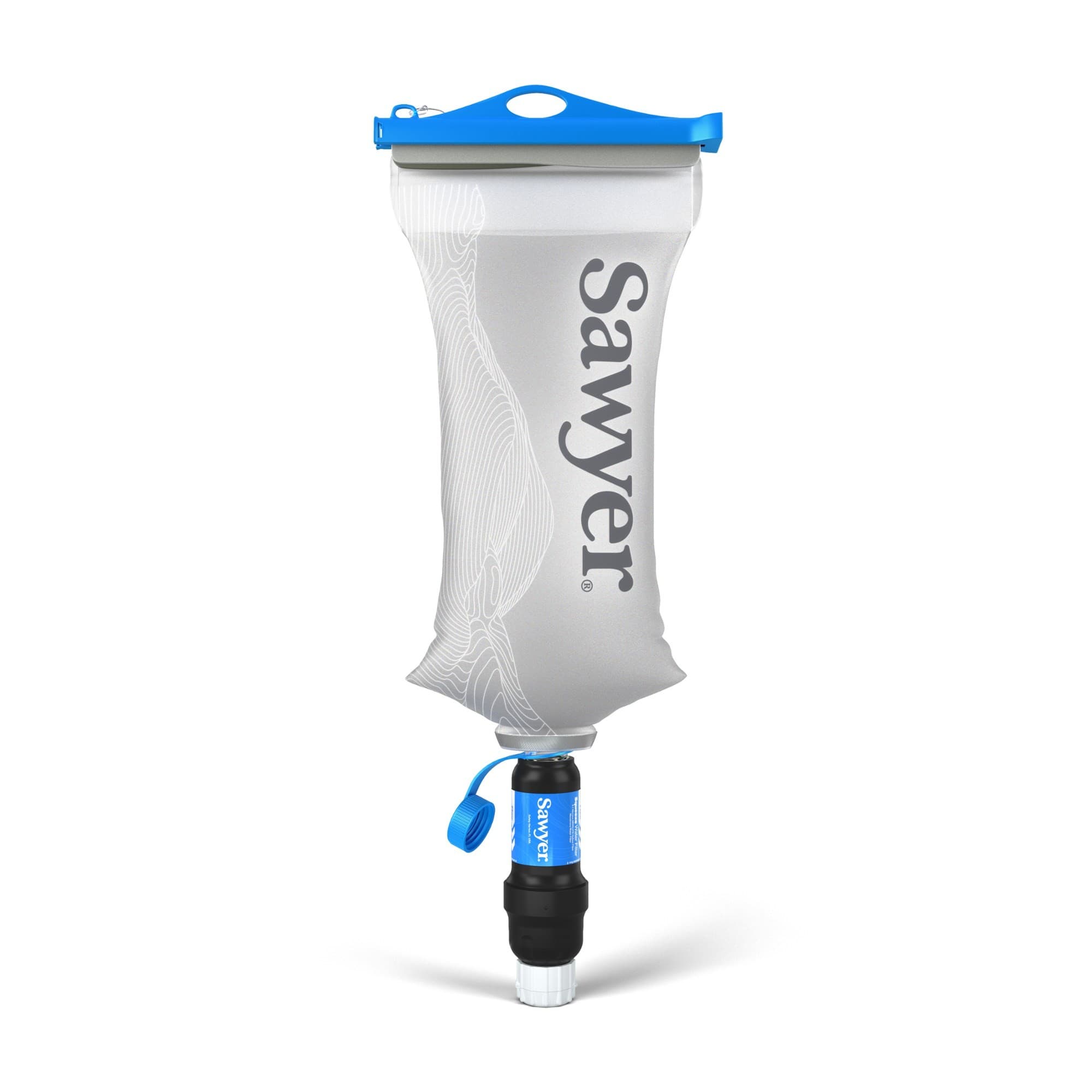
Sawyer Squeeze

Sawyer Squeeze

Evaluated for household use · Affiliate links disclosed

A reliable pick for go-bags and individual kits

Why we chose it

Three ounces, a lifetime warranty, and the ability to screw onto any standard water bottle — about as simple and dependable as a personal filter gets.

Buy From

SawyerRead the full review

Affiliate links · We earn a small commission at no cost to you. How this works
We evaluate every pick for real-world reliability.

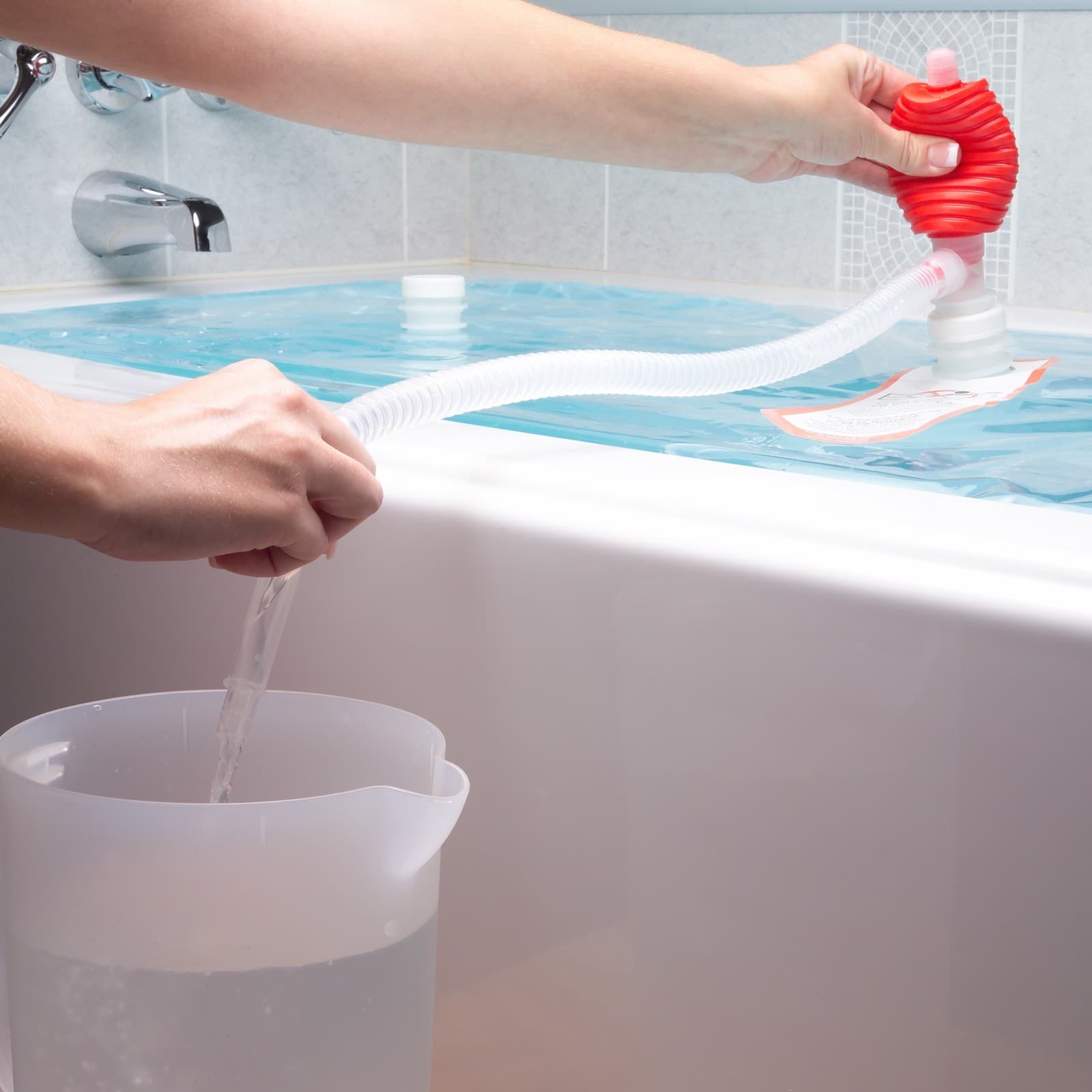
WaterBOB

WaterBOB

Evaluated for household use · Affiliate links disclosed

Holds up to 100 gallons in your existing bathtub

Why we chose it

No extra storage space is required since it uses your existing bathtub. Useful for households that want high-volume water capacity ahead of a storm, without permanent storage drums.

Buy From

WalmartRead the full review

Affiliate links · We earn a small commission at no cost to you. How this works
We evaluate every pick for real-world reliability.

Sources we consulted

Official Reference Materials

  • FEMA Drop Cover Hold Guidelines
  • USGS Earthquake Hazard Map Tools
  • Red Cross Earthquake Rescue Safety Protocols