On a slow or spotty connection?
Water Hazard8 min read

Flood Safety & Evacuation

Floods are the most common and costly natural disasters. Quick action and early preparation save lives.

What’s really going on

Flooding is sneaky in a way other disasters aren't. There's no roar, no flames — just water that rises a little faster than you expected, until the road you planned to drive out on is gone and the basement is filling. It's the most common natural disaster in the country, and most of the people it kills die in their cars, trying to cross water that didn't look that deep.

Two things make floods dangerous. The first is moving water, which is far stronger than it looks: the NWS warns that six inches will sweep you off your feet, and a foot or two will float and carry away a car. The second is what's in the water — floodwater routinely carries sewage, chemicals, sharp debris, and live electrical current from submerged outlets and downed lines. It is not water you want to walk, drive, or wade through, ever.

The upside is that floods are among the most survivable disasters when you act early. The danger comes from waiting — for the official word, for the water to recede, for a gap to drive through. Decide your routes and your trigger to leave before the water's rising, and you'll be on dry ground while everyone else is still deciding.

Phase 1

Before: Prepare Now

01

Determine flood risk

Find out whether your home sits in a FEMA flood zone (their online flood maps make this quick), and look up your local evacuation routes before you ever need them. Knowing you're at risk changes everything — it's the difference between watching the forecast closely and being caught off guard. Most standard insurance doesn't cover flooding, so check whether you need a separate policy.

02

Elevate major utilities

If you're in a flood-prone home, raise the things water ruins first: the furnace, water heater, washer and dryer, and electrical panel, lifted onto platforms above the expected flood level. It's a real project, but a few inches of water destroys floor-level mechanicals, and replacing them costs far more than elevating them did.

03

Pack a go-bag

Keep a grab-and-go bag ready for each person — medications, documents, chargers, a change of clothes, and water. Floods can force a fast departure, and you won't have time to gather things while water's rising. A bag by the door means leaving takes minutes, not a frantic half hour of hunting for the insurance papers.

04

Document your property

Walk through your home with your phone and record video of every room and its contents, plus the exterior. Store it in the cloud or email it to yourself so it survives even if the house doesn't. When it's time to file an insurance claim, that footage is worth its weight in gold — it's the proof that turns a claim into a payout.

Phase 2

During: Stay Safe

01

Seek higher ground

If officials say evacuate, go immediately — don't wait to see how bad it gets. Move yourself, everyone with you, and your pets to higher ground, away from creeks, storm drains, and low spots. If you're caught indoors by fast-rising water, go up — to a higher floor or, as a last resort, the roof — but never into a closed attic where you could be trapped.

02

Turn around, don't drown

Never drive or walk into flooded water, no matter how shallow it looks. Six inches of moving water can knock you down; a foot can float most cars; two feet sweeps away an SUV. You can't see whether the road beneath has washed away. If you reach water across the road, turn around and find another way — this single rule prevents most flood deaths.

03

Cut power at the source

If floodwater is about to reach your basement or lower level and you can get to the electrical panel safely and while standing dry, switch off the main breaker. Water and live electricity together are deadly. But if reaching the panel means standing in water or you're at all unsure, leave it — your life is worth more than the appliances.

04

Avoid standing water

Stay out of floodwater entirely. It's not just water — it's sewage, fuel, chemicals, broken glass, and sometimes a live current from a submerged outlet or downed line you can't see. Even shallow standing water can carry enough electricity to kill. If you've had any contact with floodwater, wash thoroughly as soon as you can with clean water and soap.

Phase 3

After: Recover Safely

01

Wait for the all-clear

Don't return home until local authorities say the area is safe — not when the water looks lower from a distance. Returning early puts you among downed power lines, weakened structures, washed-out roads, and contaminated water, often with crews still working. The water going down doesn't mean the danger has, so wait for the official word.

02

Watch for mold

Once you're cleared to return and it's safe, dry out wet areas fast — within 24 to 48 hours — because mold takes hold quickly on wet drywall, carpet, and wood. Open windows, run fans and dehumidifiers, and pull up soaked materials that can't be dried. Wear gloves and an N95 mask while you work; flood mold and residue aren't things you want to breathe or touch.

03

Avoid contaminated water

Assume your tap water is unsafe until the utility says otherwise — flooding often contaminates the supply. Drink and cook only with bottled or properly treated water, and if you're treating questionable water, a filter rated for viruses or boiling is the safe path, since flood contamination can include sewage. Don't trust the tap just because it runs clear.

Avoid

Common Mistakes

Driving through water that looks shallow

This is the mistake that kills more people than any other in a flood. The water looks like a few inches across the road, the car ahead made it, and you're in a hurry — so you go. But you can't see that the roadbed has washed out beneath it, or how fast the water is really moving. A foot of water floats most cars. Turn around and find another route, every time, no exceptions.

Waiting for a mandatory order to leave

People treat a voluntary or precautionary evacuation as optional and stay put. But the official order often comes after the easy window to leave has already closed — once roads flood, you're trapped. If you're in a flood-prone area and they're suggesting you leave, that's your cue to go while the roads are still clear and dry. Early is calm; late is dangerous.

Going into the basement during a flood

The instinct is to save what's down there or check the water level, but a flooding basement is one of the most dangerous places to be. Water can rise faster than you can climb out, and a submerged outlet or appliance can electrify the whole pool. Stay out of any space where water is rising, and never enter water that could be in contact with electricity.

Wading through floodwater to salvage belongings

Furniture and keepsakes feel worth the risk, but floodwater hides live wires, open manholes, sharp debris, and contamination you'll regret touching. Things can be replaced and many are covered by insurance — which is exactly why you documented them beforehand. Stay out of the water, photograph the damage from dry ground when it's safe, and let the claim handle the rest.

Questions people actually ask

What do I do if my sump pump loses power during a flood?
A sump pump runs on electricity, so when the power goes out — which often happens in the same storm — it stops, and water starts backing up into the basement. Plan for this ahead of time: a battery backup sump pump or a water-powered backup pump keeps pumping when the grid is down, and a power station can run a standard pump for a while. Without backup, move valuables up off the basement floor before the storm and be ready to cut the power and leave the lower level if water rises.
Is six inches of water really enough to be dangerous?
Yes. Six inches of fast-moving water is enough to knock an adult off their feet, and once you're down in a current you can be swept into deeper water or debris. For vehicles, about a foot of water can float a small car and two feet can carry away most SUVs and trucks. Moving water is deceptively powerful, and the depth you can see tells you nothing about how fast it's flowing or whether the ground beneath is still there.
Can I drink my tap water after a flood?
Not until your water utility confirms it's safe. Floods frequently contaminate municipal water with sewage and chemicals, and a boil-water or do-not-drink advisory often follows. Until you get the all-clear, drink and cook only with bottled water or water you've made safe. Because flood contamination can include viruses, a basic filter may not be enough on its own — boiling, or a purifier rated for viruses, is the safe choice for questionable water.
Does my homeowners insurance cover flood damage?
Usually not — and this surprises people at the worst possible time. Standard homeowners and renters policies typically exclude flooding, which is covered by a separate flood insurance policy, often through the National Flood Insurance Program. If you're in or near a flood-prone area, look into it before a storm, and note that new policies usually have a waiting period before they take effect, so buying one as the rain starts won't help. Either way, document your home and belongings now.
When is it safe to go back into my home after a flood?
Only after local authorities declare your area safe to re-enter. Even then, approach carefully: watch for downed power lines and don't enter if you see them, check that the structure looks sound before going in, and don't restore power until an electrician or the utility says it's safe if the home was flooded. Wear protective gear for the cleanup, assume surfaces touched by floodwater are contaminated, and dry everything out within a day or two to head off mold.
Recommended Preparedness Gear

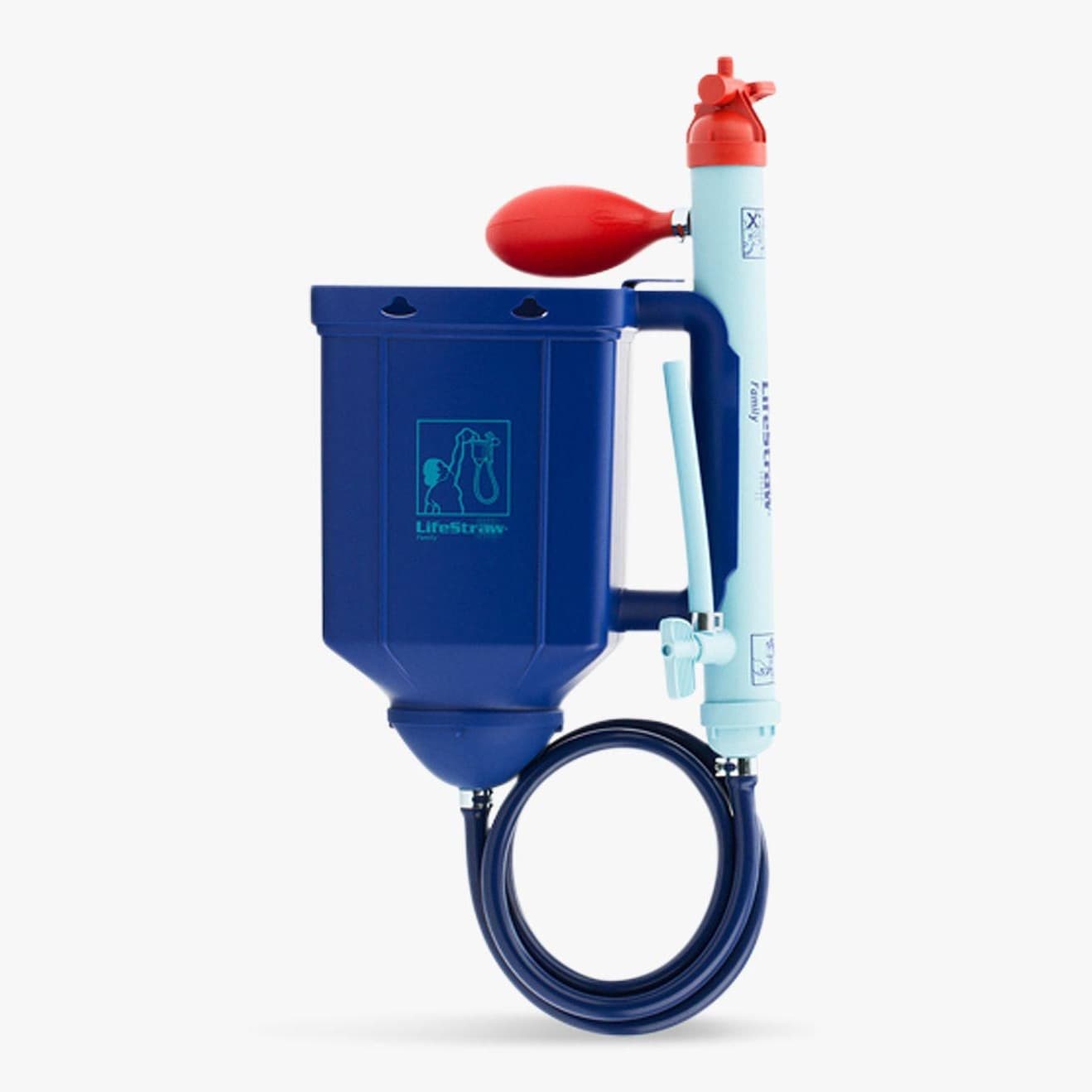
LifeStraw Family

LifeStraw Family

Evaluated for household use · Affiliate links disclosed

Built for flood zones and virus-risk areas

Why we chose it

When flooding mixes sewage into the water supply, a standard 0.1-micron filter isn't enough. The LifeStraw Family filters down to 0.02 microns — fine enough to remove viruses too, not just bacteria and protozoa. It's one of the few portable purifiers that does, which is why we reach for it when the water could carry sewage.

Buy From

LifeStrawRead the full review

Affiliate links · We earn a small commission at no cost to you. How this works
We evaluate every pick for real-world reliability.

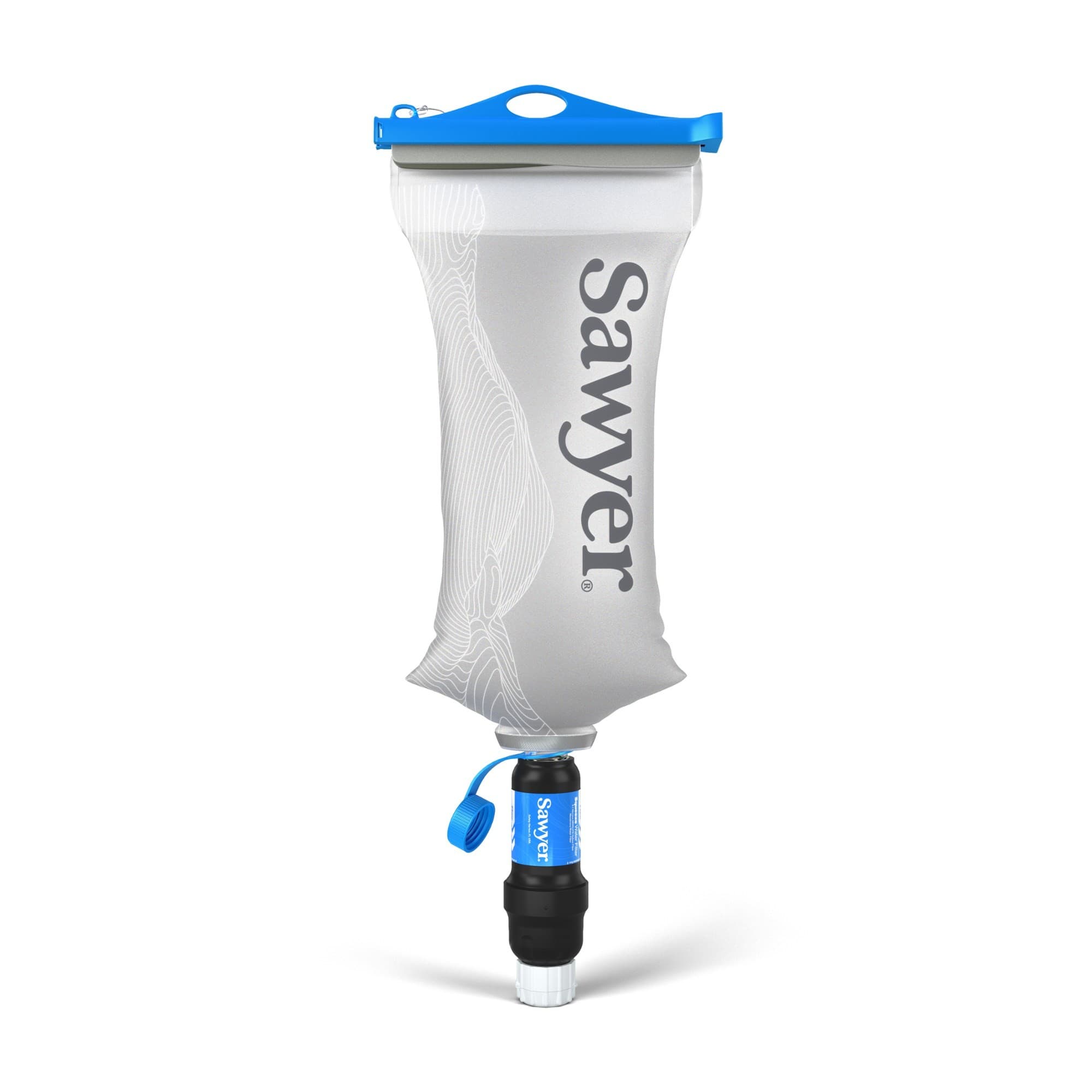
Sawyer Squeeze

Sawyer Squeeze

Evaluated for household use · Affiliate links disclosed

A reliable pick for go-bags and individual kits

Why we chose it

Three ounces, a lifetime warranty, and the ability to screw onto any standard water bottle — about as simple and dependable as a personal filter gets.

Buy From

SawyerRead the full review

Affiliate links · We earn a small commission at no cost to you. How this works
We evaluate every pick for real-world reliability.

Sources we consulted

Official Reference Materials

  • FEMA Flood Evacuation Protocols
  • National Flood Insurance Program Claim Guide
  • CDC Re-entering a Flooded Home Safely