On a slow or spotty connection?
Seasonal8 min read

Hurricane Preparedness

A hurricane gives you something most emergencies don't: warning. Here's how to use those days well — before, during, and after the storm.

What’s really going on

A hurricane is really two emergencies wearing one name. The wind is the part everyone pictures — but water does most of the harm. Per the NWS, storm surge is historically the leading cause of hurricane deaths in the United States, and flooding from heavy rain is second. Both reach places the wind barely touches: surge can push miles inland along bays and rivers, and rain flooding happens hundreds of miles from the coast.

Here's the good news, and it's real: you'll almost always see a hurricane coming. Forecasters issue a hurricane watch about 48 hours before dangerous winds could arrive, and a warning about 36 hours out. That's one to two full days to do the things that matter — and most of them are simple.

The Atlantic season runs June 1 through November 30 every year, so none of this has to be a scramble. Handle the list below on a calm weekend, know whether your home is in an evacuation zone, and the storm becomes something you work through instead of something that happens to you.

Phase 1

Before: Prepare Now

01

Learn your evacuation zone

Whether you leave or stay usually comes down to water, not wind. Contact your local emergency management office — or search your county's name plus 'evacuation zone' — and find out now whether your address is in one. Per the NWS, storm surge can push miles inland along bays and rivers, so this isn't only a beachfront question. If you're in a zone, decide today where you'd go and how you'd get there.

02

Store water and supplies now

Water comes first: FEMA's floor is one gallon per person per day, and our water calculator turns your household size into an exact number in about a minute. Add shelf-stable food you actually eat, medications, batteries, and a radio that doesn't need the grid. Do this at the start of the season, not when a storm has a name — a watch gives you 48 hours at most, and you'll want them for the house, not the store.

03

Ready the house and your papers

Bring in anything the wind can throw — patio furniture, trash cans, anything loose — and put up real window protection if you have it, like shutters or plywood. Then handle the paper side: the NWS puts reviewing your insurance on its hurricane checklist, because after the storm is the worst time to learn what your policy doesn't cover. Put policies, IDs, and key documents somewhere waterproof you can grab.

04

Know what a watch and a warning mean

A hurricane watch means hurricane conditions are possible — the NHC issues it about 48 hours before dangerous winds could arrive. A warning means they're expected, about 36 hours out. Treat the watch as your signal to finish preparing, and the warning as your signal to be where you plan to ride out the storm. And don't anchor on the category number: it measures wind, while most of the danger is water.

Phase 2

During: Stay Safe

01

If officials say evacuate, go

If your zone is told to evacuate, go — early and calmly, before the weather arrives. Evacuation orders are about storm surge, and per the NWS, surge is the deadliest part of a hurricane. Leaving feels like a big decision; it's really just a drive to somewhere safer, taken a few hours early. Bring your documents, medications, chargers, and enough for a few nights.

02

Sheltering at home: pick your spot

Stay inside and away from windows, in a small interior room on the lowest floor that won't flood. Keep your phone charged and a radio on for official updates. If flooding threatens despite the forecast, move to a higher floor and keep listening for instructions.

03

Don't trust the calm

If the sky suddenly clears mid-storm, that can be the eye — the calm center. The other half of the storm arrives behind it, often quickly and from the opposite direction. Stay put until officials say it's over, not until it sounds over.

04

Stay off flooded roads

Never drive through floodwater. Six inches of moving water can knock you down; a foot can float most cars. Depth is nearly impossible to judge from behind the wheel, especially in rain and dark. If a road is covered, turn around.

Phase 3

After: Recover Safely

01

Wait for the all-clear to return

If you evacuated, come back when officials say the route and your area are safe — not when the rain stops. Per the NWS, flooding from heavy rain is the second leading cause of hurricane deaths, and rivers can keep rising after the storm has moved on. Watch for downed power lines and treat every one as live.

02

Run generators outside — always

If you run a portable generator, run it outside — always — at least 20 feet from the house, with the exhaust pointed away from windows, doors, and vents. Generator exhaust is carbon monoxide, and it kills people every single year. Never run one in a garage, even with the door open.

03

Check your food and water

The outage rules apply: an unopened fridge keeps food safe for about 4 hours, and a full freezer holds for 48. Toss anything perishable that's been above 40°F for more than two hours. If officials say the water system was affected, use your stored water until they say the tap is safe again.

04

Document damage before you clean up

Photograph everything before you move or fix it — wide shots and close-ups both. Contact your insurer early, and keep receipts for anything you buy for repairs. Then pace yourself: recovery takes longer than the storm, and it isn't a race.

Avoid

Common Mistakes

Preparing for wind, ignoring water

The category number measures wind, so wind gets the attention. But per the NWS, storm surge is historically the deadliest part of a hurricane, and rain flooding is second. If your plan is all plywood and no evacuation zone, it's aimed at the wrong threat.

Waiting for the warning to start

A watch arrives about 48 hours ahead, a warning about 36. That's enough time to execute a plan — it's not enough to invent one. The before list on this page is a calm-weekend job; the days before landfall are for finishing, not starting.

Riding out an evacuation order

A house can be repaired around you, but storm surge rises fast, and no one can reach you at the height of the storm. If officials call for your zone to leave, that call has already weighed the option of staying. Go.

Driving through floodwater

It's the same mistake after the storm as during it. A foot of moving water can float most cars, and a covered road can hide a washed-out one underneath. Turn around — every route has an alternative that doesn't involve finding out.

Questions people actually ask

When should we evacuate, and when is staying home okay?
Follow your zone. If your address is in an evacuation zone and officials call it, go — those orders are about storm surge, which the NWS says is historically the deadliest hurricane hazard. If you're not in a zone and your home is sturdy, sheltering in place is usually the plan: an interior room away from windows, with your supplies already in the house.
What do hurricane categories actually mean?
The category measures sustained wind. A hurricane starts at 74 mph, and a 'major' hurricane means 111 mph or more. What the number doesn't measure is water — storm surge and rain flooding — which per the NWS causes most hurricane deaths. Treat the category as one input, and your evacuation zone as the decider.
How much water should we store?
FEMA's floor is one gallon per person per day, and more in heat or for medical needs. Rather than guessing at the math, our free water calculator turns your household size, pets, and climate into an exact gallon number in about a minute.
What's the difference between a hurricane watch and a warning?
A watch means hurricane conditions are possible — issued about 48 hours before dangerous winds could arrive. A warning means they're expected, about 36 hours out. Finish preparing during the watch; be where you plan to stay by the time the warning arrives.
The wind stopped and the sky cleared. Is it over?
Maybe not. If the eye passes over you, the middle of the storm is calm — sometimes for a surprisingly long stretch — and then the back half arrives, often from the opposite direction. Wait for officials to say it's done, not the sky.
How long will the power be out afterward?
There's no honest single answer — it ranges from hours to weeks depending on the damage. Plan your food by the outage rules: an unopened fridge holds for about 4 hours, a full freezer for 48. If someone at home relies on powered medical equipment, our power outage guide covers backup power in depth.
Recommended Preparedness Gear

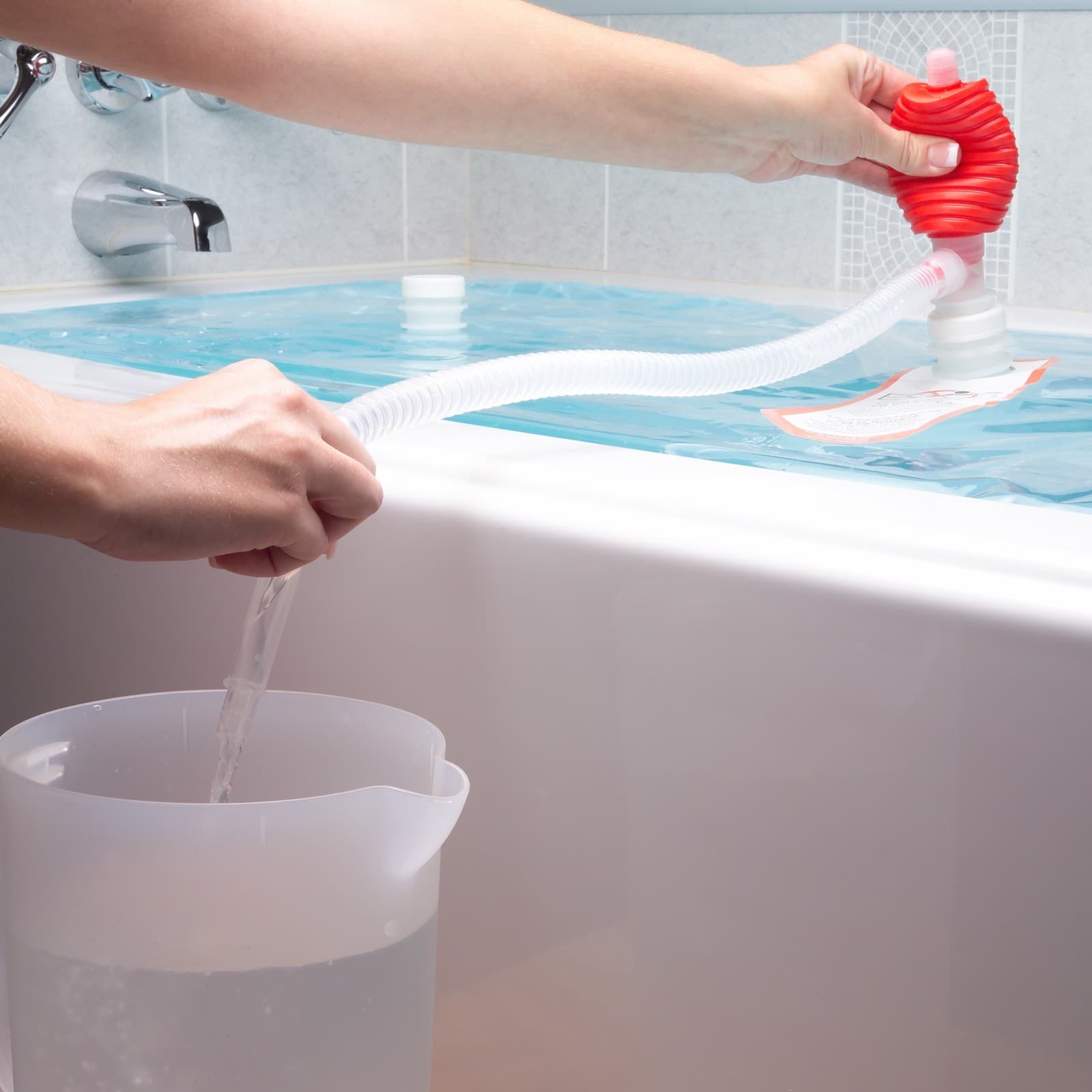
WaterBOB

WaterBOB

Evaluated for household use · Affiliate links disclosed

Holds up to 100 gallons in your existing bathtub

Why we chose it

No extra storage space is required since it uses your existing bathtub. Useful for households that want high-volume water capacity ahead of a storm, without permanent storage drums.

Buy From

WalmartRead the full review

Affiliate links · We earn a small commission at no cost to you. How this works
We evaluate every pick for real-world reliability.

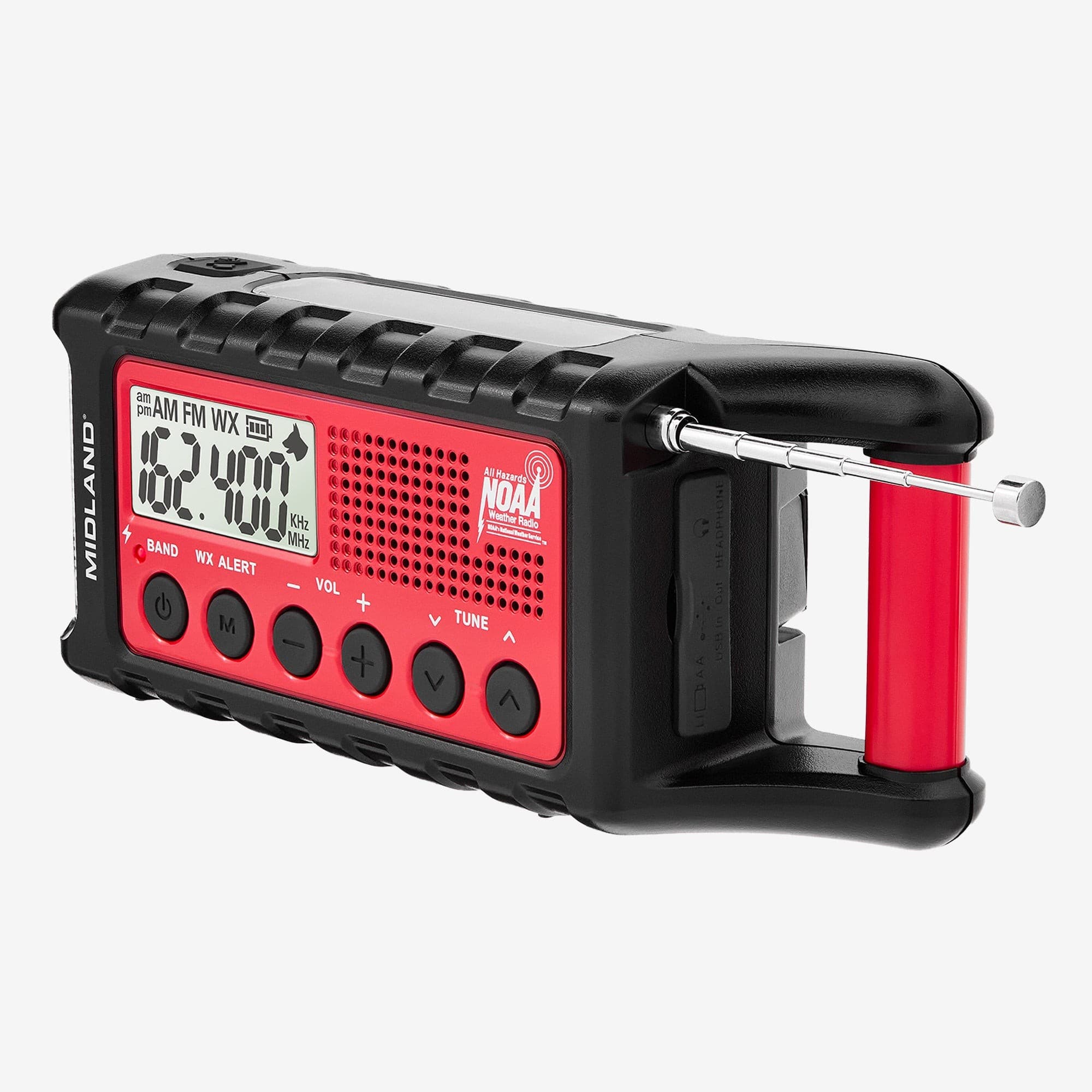
Midland ER310 Radio

Midland ER310 Radio

Evaluated for household use · Affiliate links disclosed

NOAA weather alerts, hand crank, solar, and USB phone charging in one unit

Why we chose it

Its NOAA alert mode wakes you automatically during warnings, and three power sources mean it works when everything else has failed.

Buy From

MidlandRead the full review

Affiliate links · We earn a small commission at no cost to you. How this works
We evaluate every pick for real-world reliability.

Sources we consulted

Official Reference Materials

  • National Hurricane Center
  • NWS Hurricane Safety
  • Ready.gov Hurricanes