- What's the difference between sheltering in place and evacuating?
- They're opposite responses to opposite problems. You evacuate when the danger is at your location and safety is elsewhere — a wildfire, a flood, a gas leak in your own home. You shelter in place when the danger is outside and moving, and going out into it is riskier than staying put — a chemical spill nearby, a hazardous-materials release, an airborne plume. Officials will usually tell you which one a given emergency calls for; the key is doing the right one, because they don't substitute for each other.
- How do I seal a room against outside air?
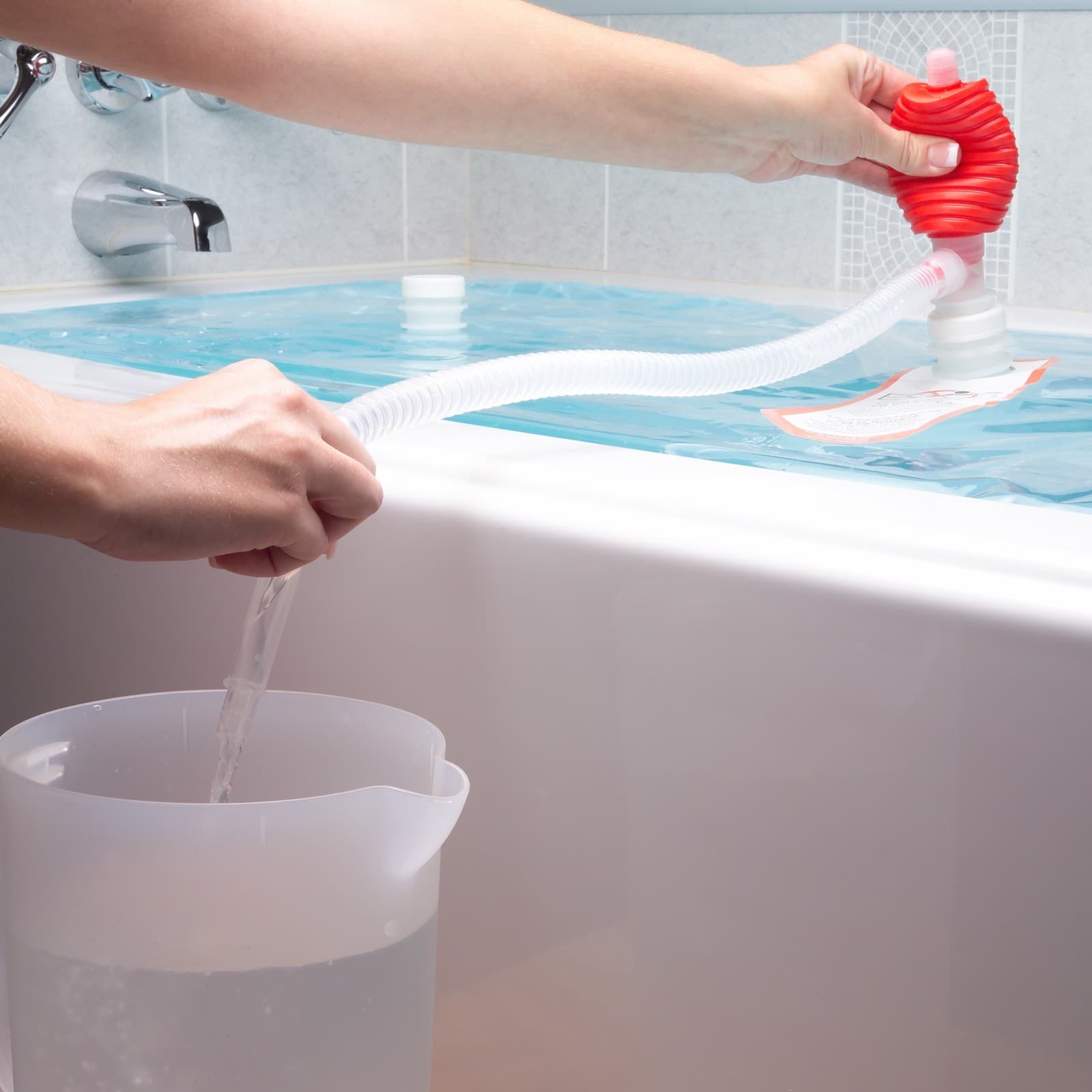
- Get into your chosen room with your supplies, then tape plastic sheeting (4–6 mil) over the windows, any air vents, and the door, and push a rolled towel against the gap at the bottom of the door. Before that, shut off the HVAC, furnace, AC, and exhaust fans so the house stops pulling outside air in. The goal is to make the room as airtight as you reasonably can. For weather or non-airborne threats, simply closing up the house is often enough without taping plastic.
- How long do shelter-in-place orders usually last?
- Most are short — often just a few hours, until a chemical plume disperses, a hazardous-materials situation is contained, or a nearby threat passes. They rarely last more than a day. That's why a modest stock of water, food, and medications is plenty for the situation. Keep the radio on for updates, because the duration depends entirely on the specific event, and only the authorities monitoring it can tell you when it's truly safe to come out.
- Should I shelter in the basement or upstairs?
- It depends on the hazard, and getting this right matters. For tornadoes and high winds, go low — a basement or the lowest interior room. But for a chemical spill or airborne hazard, go up: many hazardous vapors are heavier than air and pool in low areas, so a basement is the worst spot, and an interior room on a higher floor is safer. Match the location to the threat rather than defaulting to one habit for everything.
- Can I shelter in place safely with my pets?
- Yes, and you should — bring them into the sealed room with you rather than leaving them exposed to whatever's outside. Get them inside early, before you close up, and keep leashes or carriers handy in case the situation changes to an evacuation. Include pet food and water in your supplies, and a little something to keep them calm helps, since a sealed, quiet room with anxious people can stress animals too. They're part of the head count.