On a slow or spotty connection?

This is educational content. In an active emergency, call 911. See our Terms of Service for full liability information.

Your phone and internet are down.

When the towers go quiet, it's easy to feel cut off. But there are still simple ways to reach everyone at home and get real information. Here's how to stay connected when the network isn't.

If any of these happen, act first

  • You have a real emergency and calls won't connect. Try a text — per the FCC, texts often get through on a congested network when voice can't. And 911 will use ANY carrier's signal your phone can find, even without service of your own.
Here's why the network fails and what still works. Cell towers go down two ways: physical damage from a storm or fire, or — far more often — overload, when everyone in the area grabs their phone at once and the system jams. And oddly enough, the harder everyone tries to call, the worse the jam gets. Texts are the workaround: they're tiny packets that keep retrying and slip through gaps a voice call can't hold. And a NOAA weather radio doesn't touch the cell network at all — it broadcasts straight from the National Weather Service, so it works when everything else is down. The goal isn't to force the dead network; it's to switch to the channels that still carry.
First things first

What breaks first

01

No calls, texts, or maps

When towers are down or jammed, the phone in your hand can't do the things you lean on most — calling for help, checking a map, looking up what's happening. It still works as a flashlight, a camera, and a holder of anything you saved offline ahead of time. The instinct is to keep tapping and retrying, which drains the battery for nothing. Knowing what won't work saves the charge for what will.

02

You can't tell anyone you're okay

Not being able to send a simple 'I'm okay' is the part that gnaws at people most. It's also the most fixable, because it just takes a plan made on a calm day: a meeting spot and an out-of-town relative everyone agrees to check in with. With that in place, the worry drops even when the lines are down, because everyone knows what to do. Without it, people make risky choices trying to find each other.

03

Your records are unreachable

Online banking, digital insurance cards, cloud copies of your documents — all of it lives on the internet, and when the internet's gone, so is your access. If the only copy of your insurance policy or your kid's medication list is in an app, you can't reach it when you need it most. A small folder of paper copies, or PDFs saved to the phone itself, closes that gap. It feels old-fashioned until the day it doesn't.

04

Rumors fill the gap

When real information stops flowing, secondhand and made-up information rushes in to replace it — and on social media it spreads faster than the truth. Acting on a bad rumor about a road, a shelter, or a threat can put you in danger. A battery or hand-crank weather radio gives you official word straight from the source, no network required. In an information blackout, that is worth more than any number of group texts.

Free to do now

Start with these — they cost nothing

You can do every one of these right now, with what's already in your home.

  • Write down key numbers — on paper. If your phone dies or resets, your contacts go with it.
  • Agree on a meeting spot — and pick an out-of-town relative everyone can call as a relay when local lines are jammed.
  • Try text before calling — a short text often slips through when a voice call will not connect.
  • Save offline maps and documents — download maps of your area and keep PDF copies of IDs and insurance on your phone.
  • Keep a radio handy — a battery or hand-crank weather radio gives you official updates with no network at all.
Download printable checklist

One page with tick boxes — print it or keep it on your phone. No account needed.

As time passes

What to do, hour by hour

Under 12 hours

Switch to what still works

  • Put your phone in low-power mode immediately to protect the charge you have.
  • Send short texts, not calls — they use less bandwidth and keep retrying on their own.
  • Tune a battery or hand-crank radio to your local NOAA or emergency station.
  • Text your out-of-town contact that you're okay and where you are.
  • Tell everyone in the house the plan in case service stays down through the night.
12–48 hours

Connect the old-fashioned way

  • If you can't reach someone, go to your agreed meeting spot at the agreed time.
  • Keep one phone charged and powered down between quick checks for service.
  • Route messages through your out-of-town relay, who can often text when local lines cannot.
  • Check the radio at set times for official updates instead of refreshing a dead phone.
  • Write down anything important you'd normally trust your phone to remember.
48 hours and beyond

Stay reachable and informed

  • Keep a phone and the radio powered from a battery pack or power station.
  • Lean on your paper copies of IDs, insurance, and contacts while systems are down.
  • Check in at your meeting spot on a set schedule so no one waits and worries.
  • Be patient when service flickers back — send texts first, and don't jam it with calls.
  • Once you're reconnected, confirm everyone's status and update the plan for next time.
Know the line

When it's more than an inconvenience

When to call 911

  • Life-safety emergencies only, same as always — the network being down doesn't change what 911 is for.
  • If a call won't connect, try text-to-911 — it works in many counties now, though not all, per the FCC. Location first, then the emergency.
Extra care

If someone in your home is vulnerable

Older adults relying on a cell phone. For many older people, a cell phone is their only line to family and help — so a network outage cuts them off completely. Make sure they have a charged backup battery, a written list of numbers, and know to text rather than call. Check on them in person if you can't reach them; a knock on the door is the most reliable signal there is.

Anyone with a hearing impairment. Deaf and hard-of-hearing household members can miss audio alerts entirely, so set up visual and vibrating alerts on their devices ahead of time, and keep a weather radio that displays text or flashes. Texting is their strongest channel, so make sure everyone knows to text them, not call. Agree on a visual check-in plan so they are never left guessing during an event.

When your household gets separated. When the network's down and people are apart — kids at school, a partner at work — the not-knowing is the hard part. This is exactly what the meeting spot and out-of-town contact are for. Teach everyone, including the kids, the plan and the relative's number by heart, so a reunion doesn't depend on a working phone.

Anyone living alone. A communications failure is isolating, and someone living alone can slip through the cracks. Set up a buddy system with a neighbor or nearby friend before anything happens — a simple 'we check on each other' agreement. Knowing one specific person will come knocking turns a scary, silent outage into a manageable one.

Worth knowing

Easy mistakes to avoid

01

Hammering redial on a jammed network

Every retry adds to the congestion that's blocking you. Send one text, wait, and try again in a few minutes — per FCC guidance.

02

Watching the outage coverage on your last 40%

Video is the fastest way to drain the one battery that matters. Low-power mode, screen down, texts only — the news will still be there.

03

Keeping every number in a phone that might die

Write the numbers that matter on a card in your wallet — your out-of-area contact first. Paper doesn't need a charger.

04

Betting everything on one channel

When cell fails, something else usually works: a battery AM/FM radio for news in, a neighbor's different carrier for word out. Two channels beat one perfect plan.

If you want to be readier

Gear that helps in this situation

Until comms gear is in our lineup, power is the priority — a charged phone and radio are your lifeline. A small power station keeps both alive through a long outage.

More gear for this situation is coming soon. For now, here's what keeps your phone and radio alive.

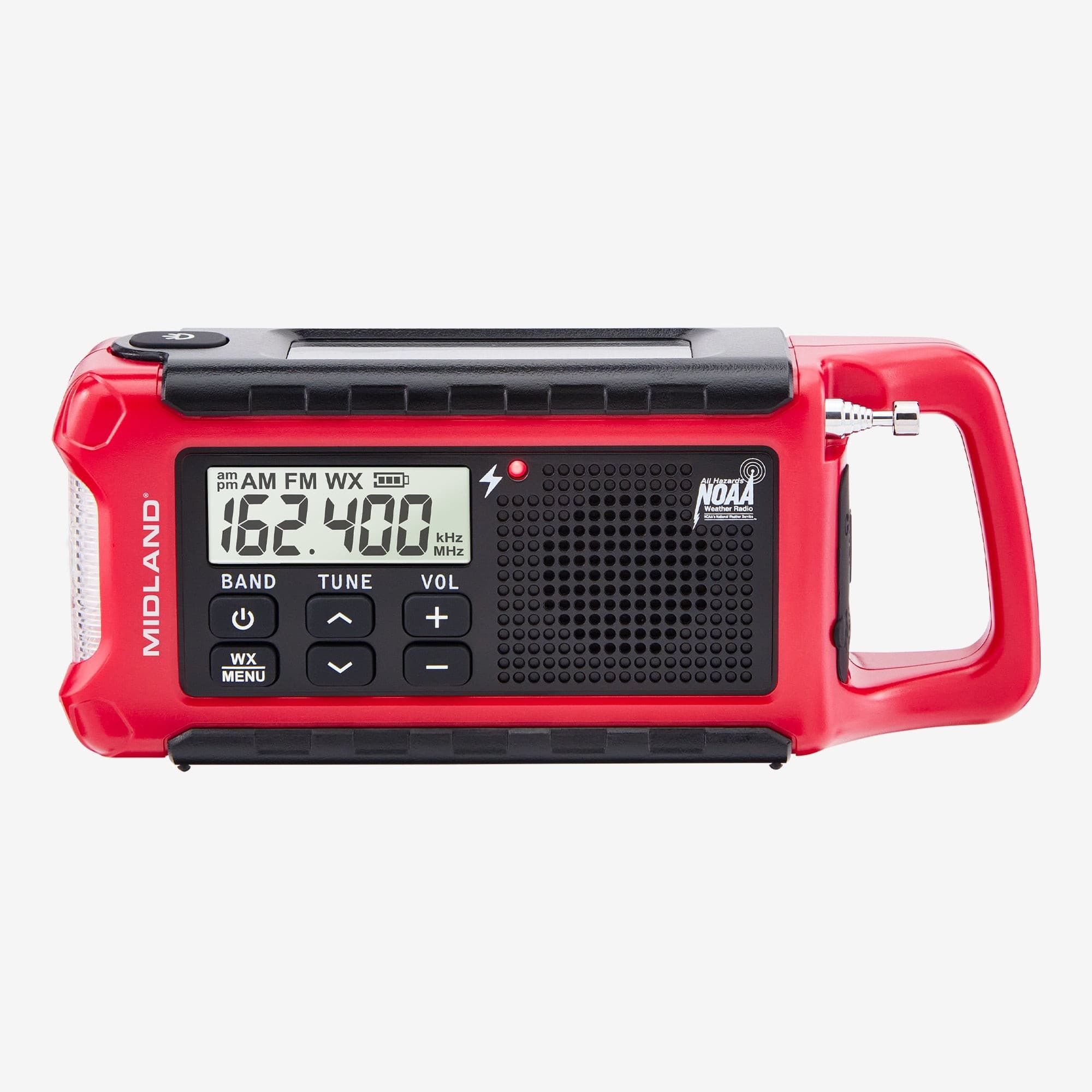
Midland ER310 Radio

Midland ER310 Radio

Evaluated for household use · Affiliate links disclosed

NOAA weather alerts, hand crank, solar, and USB phone charging in one unit

Why we chose it

Its NOAA alert mode wakes you automatically during warnings, and three power sources mean it works when everything else has failed.

Buy From

MidlandRead the full review

Affiliate links · We earn a small commission at no cost to you. How this works
We evaluate every pick for real-world reliability.

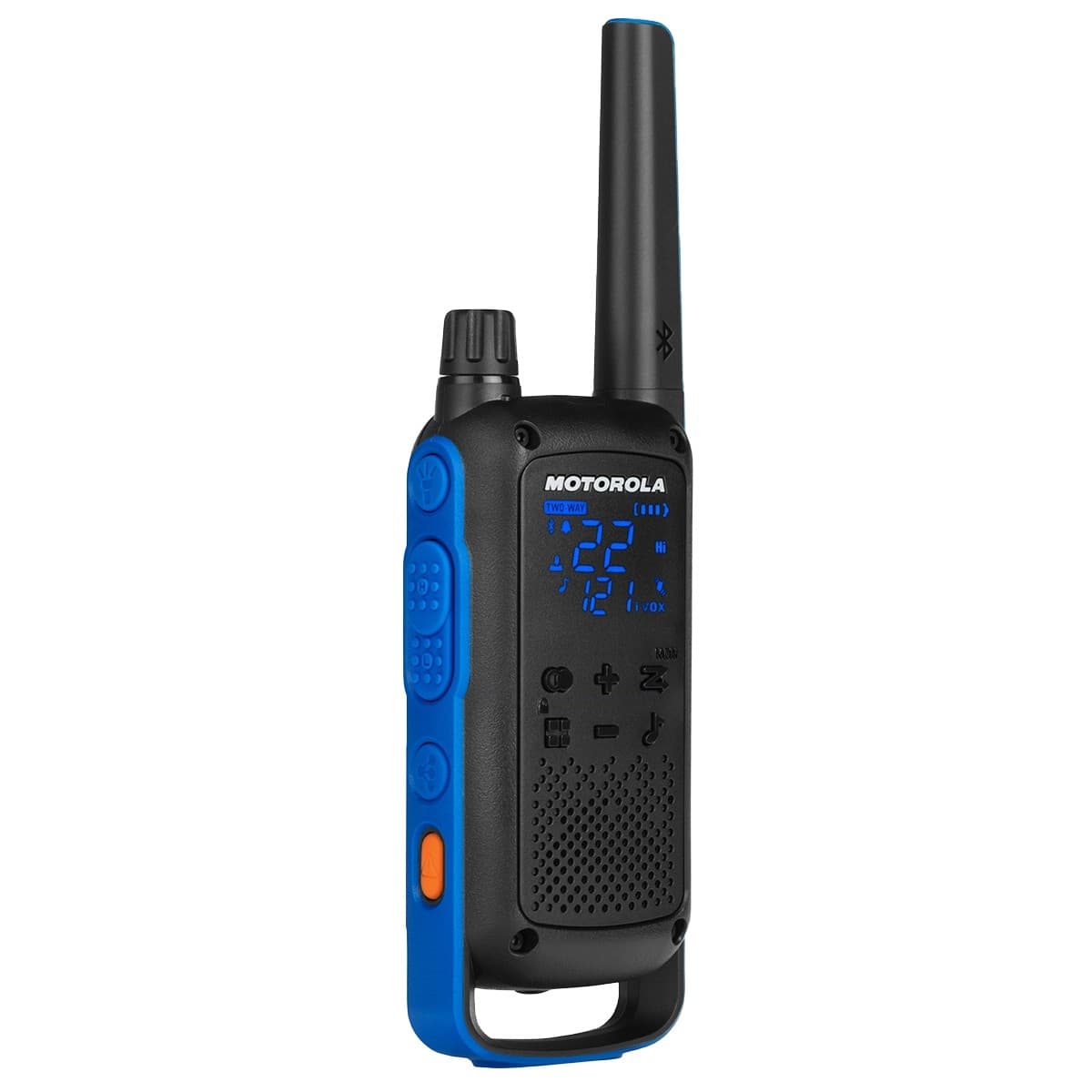
Motorola T800 Radio
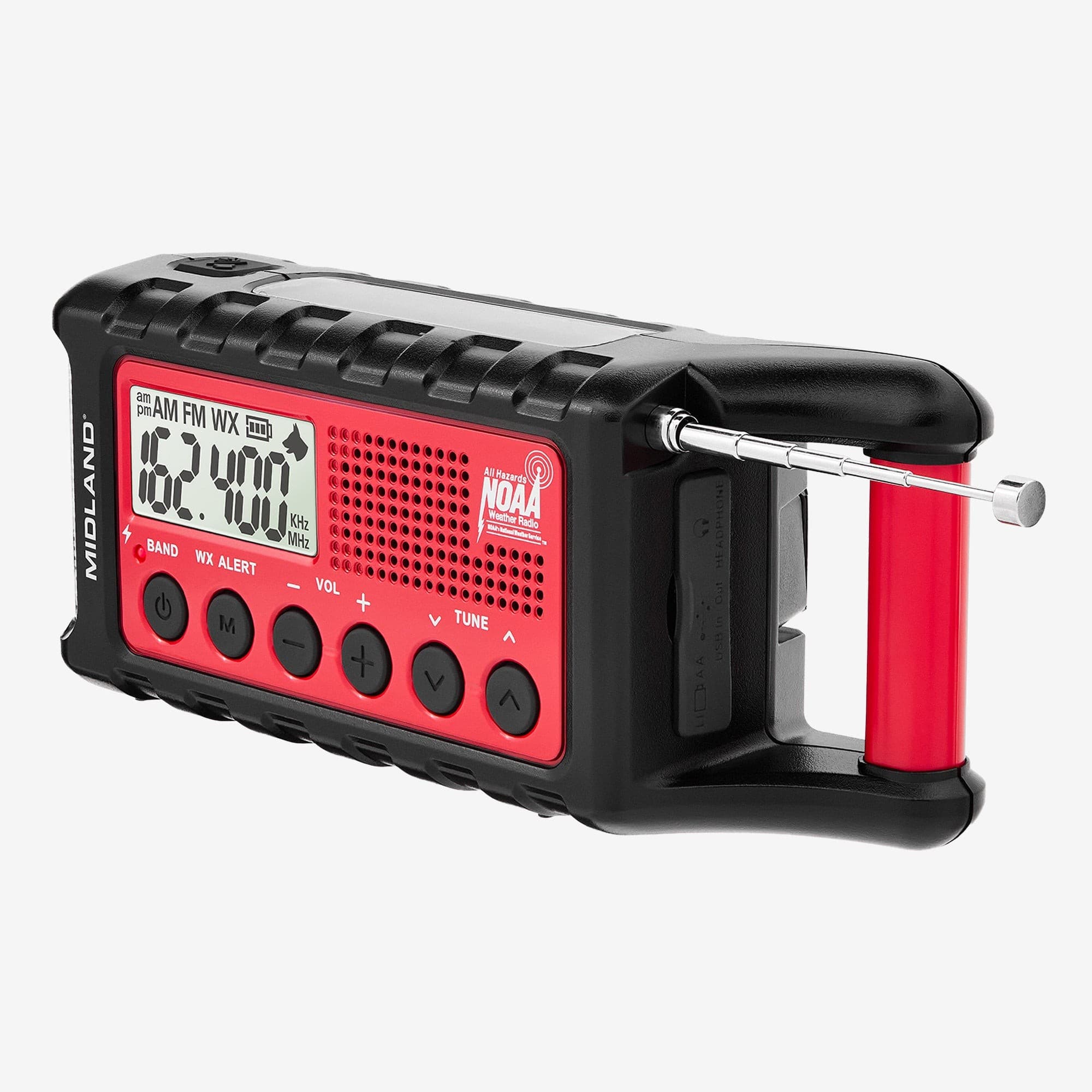
Midland ER210

Midland ER210

Evaluated for household use · Affiliate links disclosed

The smaller sibling of our tested pick

Why we chose it

It carries the one feature that makes Midland's crank radios worth owning — automatic NOAA alert scan — into a smaller, cheaper body from the same line as our hands-on pick.

Buy From

MidlandRead the full review

Affiliate links · We earn a small commission at no cost to you. How this works
We evaluate every pick for real-world reliability.

Good to know

Questions people actually ask

Why do my texts work when calls won't?

A voice call needs a steady, open channel for the whole conversation, which a congested or damaged network often can't give. A text is a tiny burst of data the phone keeps quietly resending until a gap opens — even a brief one. So when everyone floods the towers, texts squeak through long after calls stop connecting. Default to texting in any emergency.

How does a NOAA weather radio work without cell service?

It receives a broadcast straight from the National Weather Service over dedicated radio frequencies — it never touches the cell or internet network at all. As long as it has power (batteries, hand crank, or solar), it works when everything else is down. Many models have an alarm that wakes you for warnings in your specific area.

Should I post on social media during an emergency?

It can help — marking yourself 'safe' or reading official agency posts — but treat it carefully. Networks may be too jammed to load it, and rumors spread fast there. Stick to official accounts (your county, the weather service, emergency management) for facts, and don't repost unverified claims. A quick 'we're okay' post can reach people a call can't, when it loads at all.

How do I find each other if we're separated?

Go to the meeting spot you agreed on, and route messages through your out-of-town contact, who can often reach everyone by text and relay. The American Red Cross also runs a "Safe and Well" reunification system during big disasters. The plan you make beforehand matters far more than any app once the network is down.

Are satellite communicators or messengers worth it?

If you live somewhere with shaky cell coverage or face frequent outages, they're genuinely useful — a satellite messenger can send a text or SOS from almost anywhere, no towers needed. Newer phones with satellite SOS cover the dire emergencies for free. For most households a weather radio and a text plan are enough, but in remote areas a satellite device fills a real gap.

What's the simplest neighborhood communication plan?

Pick a central meeting spot, agree on a couple of check-in times, and trade phone numbers plus a backup out-of-area contact. Some neighborhoods use a marked window card ('OK' / 'HELP') so people can signal without walking far. It doesn't need to be fancy — just decided in advance, so no one is improvising in the dark.

How do I keep my phone alive when I can't charge it?

Low-power mode, lowest screen brightness, and airplane mode between quick checks — hunting for a dead signal is what drains a phone fastest. Close background apps and skip video. A small battery pack or a power station extends a phone for days, and even a car charger works in a pinch if you run the engine briefly, outdoors.

Why shouldn't everyone just keep calling?

Because every attempt adds to the congestion that's blocking the calls in the first place — it's a traffic jam, and more cars don't help. Mass call attempts can keep a strained network from recovering. Send one text, wait, and let the system breathe. You'll get through sooner, and so will the people trying to reach 911.
When things settle down

The calmest households aren't the most worried ones — they just have a plan. Once this passes, a few quiet minutes now saves a lot of stress next time.