On a slow or spotty connection?

This is educational content. In an active emergency, call 911. See our Terms of Service for full liability information.

There's a boil advisory in your area.

It's unsettling to turn on the tap and not trust it. The good news: clean water is easy to manage once you know the steps. Here's what to drink, what to skip, and how to keep enough on hand.

If any of these happen, act first

  • A boil-water advisory is in effect. Bring water to a full rolling boil for at least one minute before drinking, cooking, brushing teeth, or making ice — per the CDC. A filter pitcher doesn't make advisory water safe.
Here's what a boil advisory actually means. Your utility issues one when something could let bacteria or parasites into the supply — a main break that drops pressure, a treatment hiccup, or floodwater getting into the system. The water can look perfectly clear and smell normal and still be unsafe, because the bugs that make you sick are invisible. Most advisories lift within 24 to 72 hours, once tests come back clean, though a major flood can stretch that to weeks. Boiling is the fix: a rolling boil kills bacteria, viruses, and parasites. The whole job is just keeping safe water and unsafe water straight in your head.
First things first

What breaks first

01

The tap may be unsafe

During an advisory, water from your tap can carry bacteria or parasites even though it looks and smells fine. That makes it risky not just for drinking, but for brushing teeth, rinsing produce, or washing a cut. The safe move is to treat every drop that touches your mouth or an open wound as off-limits until it's boiled or bottled. Everything else follows from that one rule.

02

Stored water runs low fast

Once you start counting, water disappears quicker than people expect. Drinking, cooking, coffee, brushing teeth, washing hands, the pets — it adds up to roughly a gallon per person per day just for the basics. A household of four needs about four gallons a day, and that's before cleaning. Filling containers early, while the pressure's still good, is the difference between comfortable and scrambling.

03

Your fridge water counts too

It's easy to forget that the ice maker and the filtered water in your fridge door run off the same tap that's under advisory. That built-in filter removes grit and chlorine taste — it does not kill bacteria. So skip the door water and dump any ice the machine made after the advisory started. Make new ice only from boiled or bottled water.

04

Cooking and cleanup get harder

Anything that normally uses tap water gets a second thought: washing dishes, rinsing produce, cooking pasta, scrubbing hands. You can still wash dishes with a sanitizing rinse or a hot dishwasher cycle, but it is slower. Paper plates and hand sanitizer take a lot of pressure off your water supply while the advisory lasts.

Free to do now

Start with these — they cost nothing

You can do every one of these right now, with what's already in your home.

  • Fill containers now — fill clean jugs, pots, and even the bathtub before the pressure drops.
  • Boil tap water to make it safe — a rolling boil for one minute (three if you live up high) kills germs. Let it cool before using.
  • Use safe water for the basics — drink, cook, and brush teeth only with bottled or boiled water.
  • Save the good water for drinking — use stored tap water for flushing toilets and washing, and keep bottled water for drinking.
  • Plan a gallon per person, per day — that covers drinking and basic cooking. Add more for pets and hot weather.
Download printable checklist

One page with tick boxes — print it or keep it on your phone. No account needed.

As time passes

What to do, hour by hour

Under 12 hours

Store and treat what you need

  • Fill every clean container you have — jugs, pots, pitchers, and the bathtub — while pressure is good.
  • Bring water to a rolling boil for one full minute (three minutes above 6,500 feet), then cool it.
  • Set aside boiled or bottled water for drinking, cooking, and brushing teeth.
  • Plan about one gallon per person per day, plus extra for pets and hot weather.
  • Dump the ice your machine already made and switch the ice maker off for now.
12–48 hours

Stretch your supply

  • Use paper plates, cups, and utensils to avoid washing dishes.
  • Keep hand sanitizer by the sink so you're not using clean water to wash hands all day.
  • Use stored tap water (not your drinking water) for flushing toilets and cleaning.
  • Refill containers whenever the tap is running, in case pressure drops again.
  • Label your safe-water containers so no one drinks from the wrong jug.
48 hours and beyond

Treat your own water

  • If the advisory drags on, a filter lets you safely treat rain, creek, or questionable tap water.
  • Keep boiling as your backup as long as you have a pot and fuel.
  • Watch for the official all-clear before you drink straight from the tap again.
  • When it lifts, run the cold taps a few minutes and flush the heater and ice maker before using them.
Know the line

When it's more than an inconvenience

When to call 911

  • Signs of severe dehydration: no urine for hours, sunken eyes, confusion, or a racing pulse.
  • Someone you can't wake up, or a fever over 102°F that fluids aren't touching.
  • Someone drank water that's under a contamination advisory — Poison Help is 1-800-222-1222, or 911 if they're unresponsive.

When to leave

  • The outage is stretching past a couple of days, you're out of stored water, and there's no distribution point you can reach.
  • Someone in the house needs reliable water for medical reasons — dialysis prep, feeding an infant formula — and you can't secure enough that's safe.
Extra care

If someone in your home is vulnerable

Babies on formula. Mix formula only with bottled water, or tap water you've boiled and cooled — never straight from the tap during an advisory. If you can, switch to ready-to-feed formula, which needs no water at all. Sterilize bottles with boiled water too, and when in doubt, ask your pediatrician's office; they field this question constantly.

Dialysis patients. This one matters: people on home dialysis cannot use boiled water — boiling kills germs but concentrates minerals and contaminants, which is dangerous for them. They need bottled or specially treated water, so call the dialysis center right away for instructions. Don't improvise this one.

Anyone immunocompromised. People on chemo, with HIV, or after a transplant can get seriously ill from bugs that barely bother a healthy person. They should stick strictly to bottled or boiled water for anything that touches the mouth, and be careful with shower water on broken skin. When the advisory is flood-related, lean toward bottled water to be safe.

Anyone with an open wound. Tap water under advisory can introduce bacteria into a cut or scrape, so clean wounds with bottled or boiled-and-cooled water only. Keep the dressing dry, and if a wound looks red, warm, or swollen, treat that as a reason to call a doctor. It is a small thing that is easy to overlook in the shuffle.
Worth knowing

Easy mistakes to avoid

01

Drinking the pool

Pool water carries algaecides and concentrated chemicals that boiling won't remove. It's fine for flushing toilets — that's its emergency job.

02

Trusting the fridge's water line during an advisory

The fridge dispenser and ice maker draw from the same compromised supply. Skip both until the all-clear, then flush and swap the filter — per CDC guidance.

03

Spending drinking water on flushing

Toilets flush fine with pool water, rain barrel water, or the murky stuff. Save the clean water for people.

04

Waiting until the taps sputter to fill containers

The moment a disruption looks likely, fill the bathtub, pots, and every clean container. Water you caught early is water you don't have to find later.

Not sure how much to store? Get your exact gallon number →
If you want to be readier

Gear that helps in this situation

A good filter and a way to store water turn a stressful advisory into a minor inconvenience.

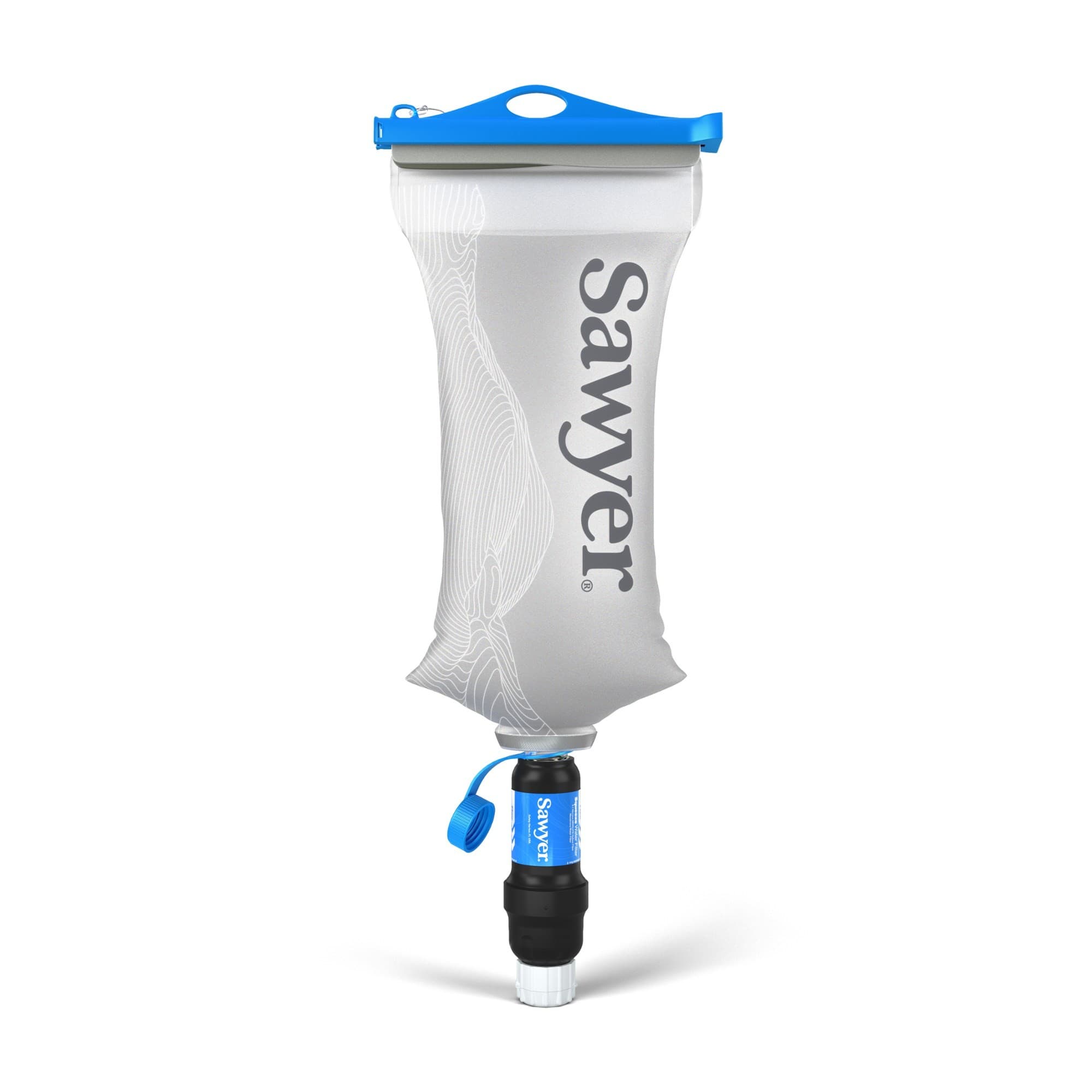
Sawyer Squeeze

Sawyer Squeeze

Evaluated for household use · Affiliate links disclosed

A reliable pick for go-bags and individual kits

Why we chose it

Three ounces, a lifetime warranty, and the ability to screw onto any standard water bottle — about as simple and dependable as a personal filter gets.

Buy From

SawyerRead the full review

Affiliate links · We earn a small commission at no cost to you. How this works
We evaluate every pick for real-world reliability.

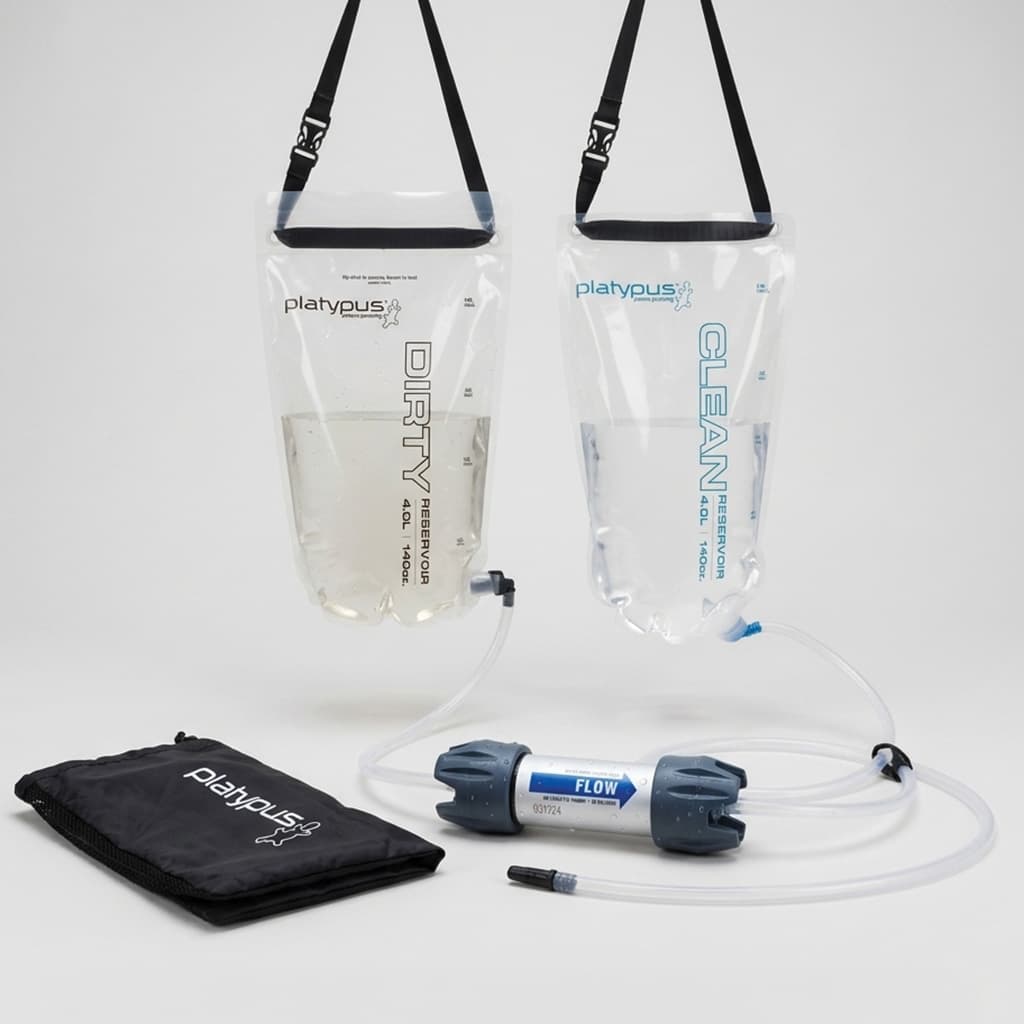
Platypus GravityWorks 4L

Platypus GravityWorks 4L

Evaluated for household use · Affiliate links disclosed

A reliable hands-free option for families

Why we chose it

A hands-free gravity filter that processes 4 liters in under 3 minutes with zero pumping effort. It hangs from any hook or doorknob and clears sediment with a simple reservoir flip.

Buy From

REIRead the full review

Affiliate links · We earn a small commission at no cost to you. How this works
We evaluate every pick for real-world reliability.

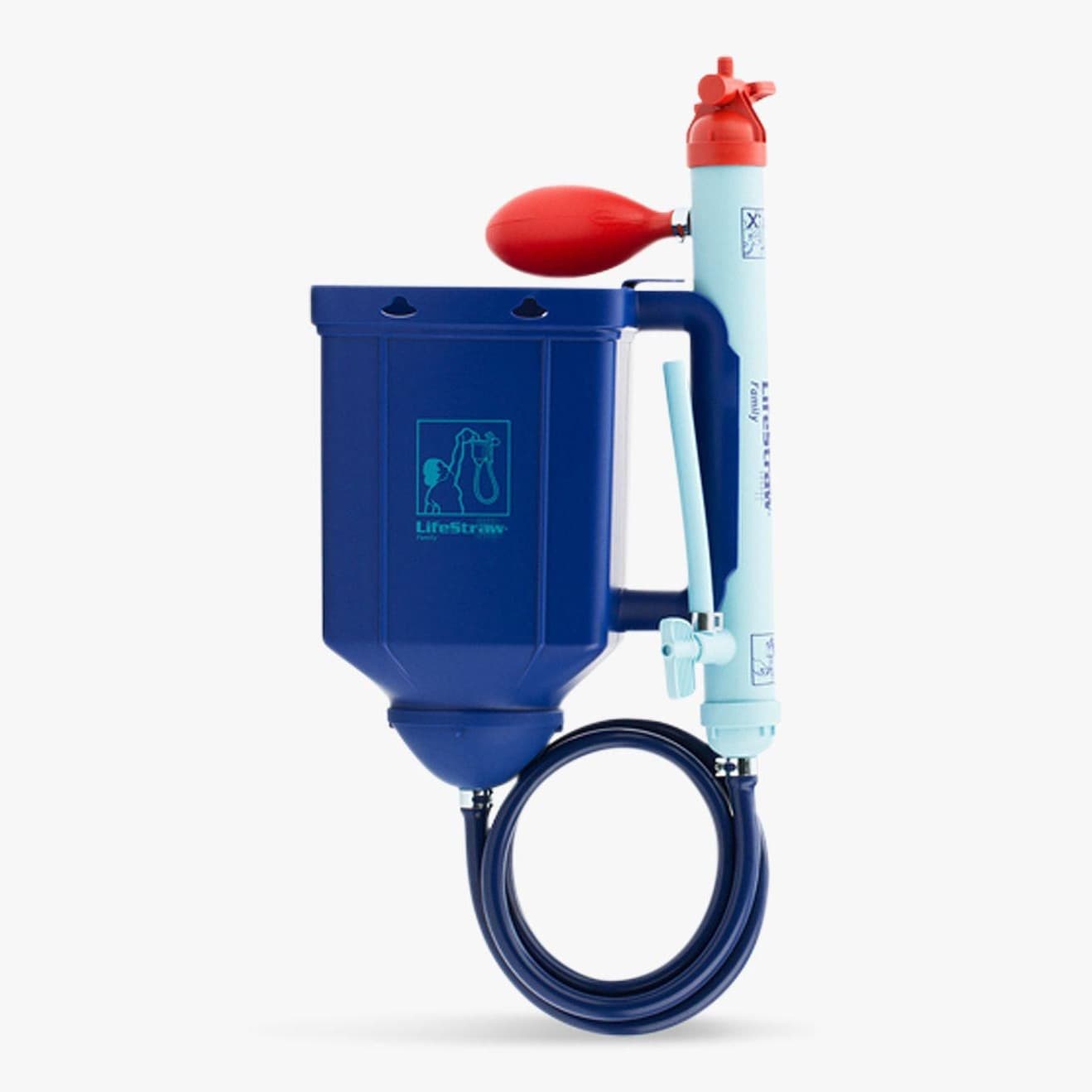
LifeStraw Family

LifeStraw Family

Evaluated for household use · Affiliate links disclosed

Built for flood zones and virus-risk areas

Why we chose it

When flooding mixes sewage into the water supply, a standard 0.1-micron filter isn't enough. The LifeStraw Family filters down to 0.02 microns — fine enough to remove viruses too, not just bacteria and protozoa. It's one of the few portable purifiers that does, which is why we reach for it when the water could carry sewage.

Buy From

LifeStrawRead the full review

Affiliate links · We earn a small commission at no cost to you. How this works
We evaluate every pick for real-world reliability.

Good to know

Questions people actually ask

Can I shower during a boil advisory?

Adults and older kids can usually shower as long as they don't swallow the water — keep your mouth closed and don't shave over fresh cuts. For babies and toddlers who might gulp bathwater, sponge-bathe them with boiled-and-cooled or bottled water instead. Keep open wounds out of the tap water.

How do I make baby formula during a boil advisory?

Use bottled water, or tap water you've boiled for one minute and let cool to a safe temperature. The easiest option is ready-to-feed formula, which needs no water at all. Sterilize bottles and nipples with boiled water too, and ask your pediatrician if you're unsure.

What about ice cubes from my freezer?

Toss any ice the machine made after the advisory started — freezing doesn't kill bacteria, it just pauses them. Turn the ice maker off for now, and make new ice only from boiled or bottled water. Then you're fine.

How long do I actually need to boil the water?

A rolling boil for one full minute kills the germs that matter. If you live above about 6,500 feet, make it three minutes, since water boils at a lower temperature up high. Then let it cool on its own — don't add tap water or ice to speed it up.

Can I brush my teeth with tap water?

Not during the advisory. Even though you spit it out, enough gets swallowed to make you sick. Brush with bottled or boiled water, and rinse your toothbrush in safe water too. It feels fussy, but it's the same risk as drinking it.

Is it safe to wash dishes?

Yes, with a little care. A hot dishwasher cycle with a heated dry is fine. For hand-washing, wash as usual, then dip dishes in a sanitizing rinse — about a teaspoon of unscented bleach per gallon of water — and let them air-dry. Or just use paper plates until it lifts.

Can my pets drink the tap water?

Give them the same safe water you are drinking — boiled or bottled. The same bugs that make people sick can make animals sick too. It is one more reason to fill extra containers early.

The advisory lifted — is my water safe right away?

Almost. Once the utility gives the all-clear, run your cold taps for a few minutes to flush the lines, run the dishwasher empty once, and replace any water-filter cartridges. Drain and refill the ice maker. After that quick flush, you are back to normal.

When things settle down

The calmest households aren't the most worried ones — they just have a plan. Once this passes, a few quiet minutes now saves a lot of stress next time.