- How long will food last in the fridge without power?
- Per the FDA, it's about 4 hours in the refrigerator and 48 hours in a full freezer (24 in a half-full one), as long as you keep the doors shut. After that, perishable food — meat, dairy, eggs, leftovers, cut fruit — isn't safe once it's been above 40°F for more than two hours. An appliance thermometer takes the guessing out of it. When you're unsure whether something crossed the line, throw it out; a few dollars of groceries isn't worth food poisoning during an emergency.
- Can I run my refrigerator off a power station?
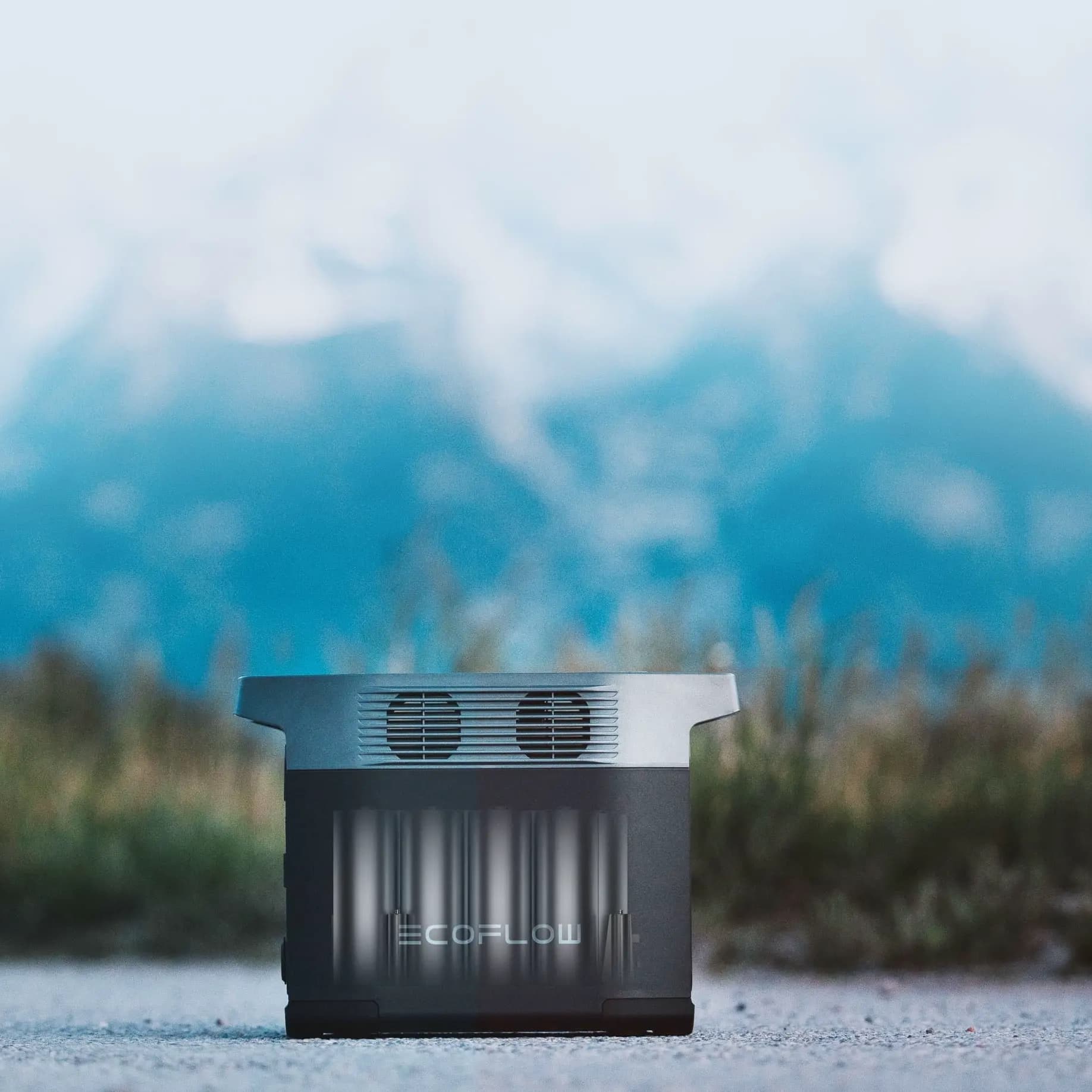
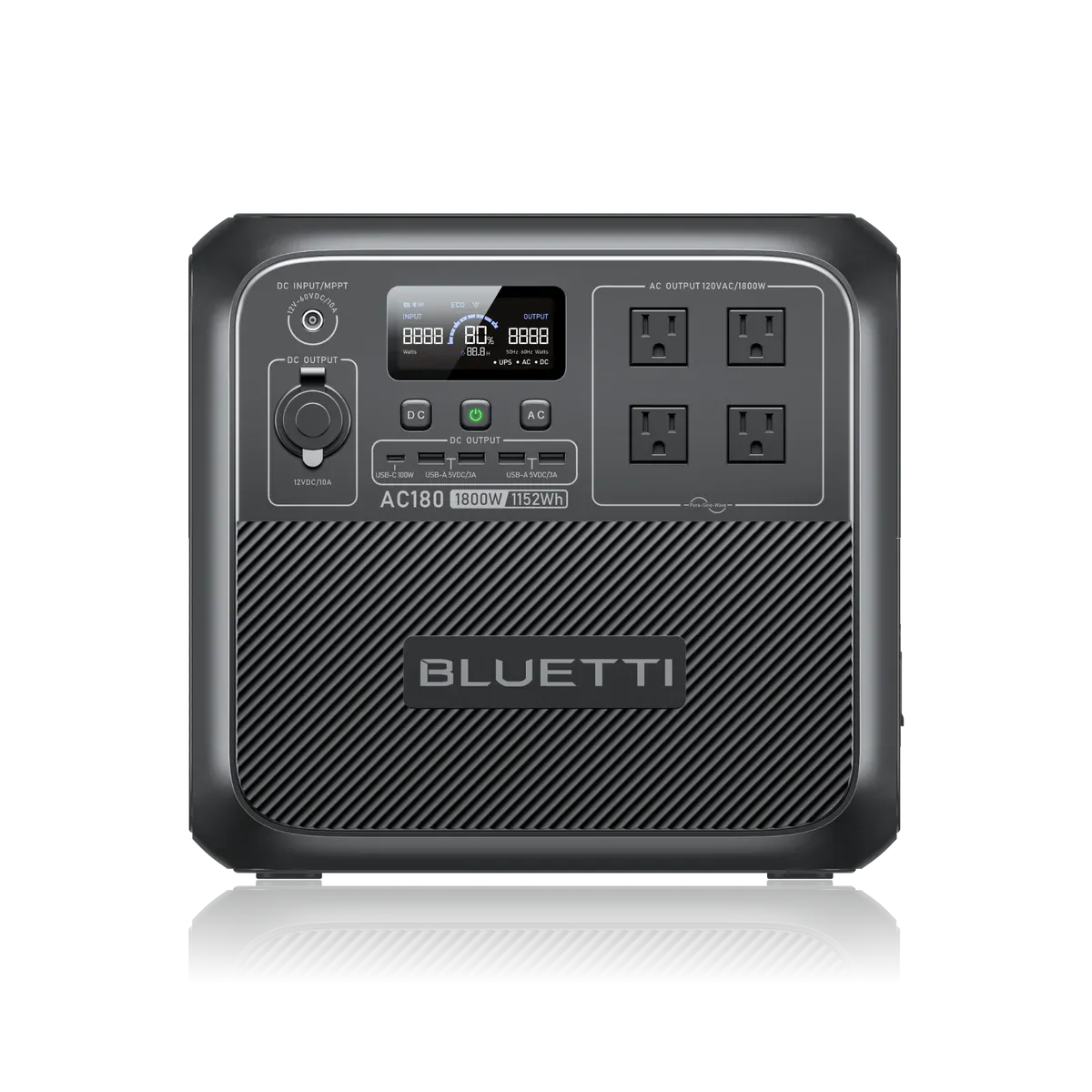
- Yes, and it's one of the best reasons to own one. A mid-size power station — roughly 1,800 watts of output and about 1,000 watt-hours of battery — can generally start and run a standard full-size fridge, and because the fridge cycles on and off rather than pulling full power, a battery that size will usually keep it cold for the better part of a day. Exact runtime depends on your fridge, so check its wattage against the station's rating. Add solar and you can keep it going for days. A gas generator works too, but it has to run outside because of the exhaust; a power station puts out no exhaust, so it can run indoors safely — which is why apartment dwellers prefer it.
- Is it safe to use candles during a power outage?
- It's best not to. Candles are a leading cause of house fires during outages — they get knocked over in the dark by kids, pets, or someone navigating an unfamiliar room half-asleep. A battery flashlight or LED lantern gives more usable light, runs for days, and carries zero fire risk. If candles are all you have, keep them in a sturdy holder, never leave them unattended, and keep them well away from anything that can catch.
- What do I do if someone in my home uses medical equipment?
- Plan for it before an outage ever happens. Call your equipment supplier and doctor about battery backups, and ask your utility about a medical-priority list that flags your address for faster restoration. Keep a power station or extra batteries sized to the device, and know how long it runs on each. For oxygen, dialysis, or anything you can't pause, set a clear trigger for leaving early for a place with reliable power — that's the smart move, not a last resort.
- How do I keep my house warm or cool during a long outage?
- Pick one room and manage that, not the whole house. In the cold, choose a small interior room, close it off, block the draft under the door, and gather everyone in there with layers and blankets — body heat and a small space go a long way. In the heat, move to the lowest, shadiest floor, pull the blinds, and drink water steadily. A battery fan helps in summer; never use a fuel-burning heater indoors in winter.