On a slow or spotty connection?
Seasonal7 min read

Winter Storm & Freeze

Extremely low temperatures, freezing rain, and heavy snow can disrupt services. Learn how to protect your home and stay warm.

What’s really going on

A winter storm is rarely just one problem. The cold, the snow, and the power loss arrive together and feed each other, which is what makes them dangerous. The lights go out, the furnace quits with them, and now the house is cooling toward the temperature outside — and somewhere in the walls, your water pipes are heading toward freezing.

That's the chain to understand. A frozen pipe is bad; a frozen pipe that bursts when it thaws floods your home, turning a cold night into thousands of dollars of damage. Meanwhile the people inside are losing heat too. Hypothermia doesn't need arctic cold — it can set in indoors over a long, unheated night, and it creeps up quietly on the very young, the old, and anyone already unwell.

The good news is that winter storms come with warning. The forecast gives you a day or two, and that's enough time to protect the pipes, set up one warm room, and make sure you can ride out a few days without leaving. Prepare for the cold and the power loss as one event, because that's how they'll show up.

Phase 1

Before: Prepare Now

01

Insulate your plumbing

Wrap exposed pipes in unheated spots — basements, crawl spaces, garages, exterior walls — with foam pipe insulation from any hardware store. These are the pipes that freeze first, and a few dollars of foam now is far cheaper than a burst pipe and a flooded floor later. Know where your main water shutoff is, too.

02

Prepare heating fallbacks

Have a safe way to stay warm if the furnace dies. Dry firewood for a working fireplace, or an indoor-rated propane heater with the ventilation it requires. Never plan to use the oven or an outdoor heater inside. Stock extra blankets and warm sleeping bags — sometimes the simplest, safest heat is body heat in one closed room.

03

Prepare your vehicle

Keep the gas tank above half and add a winter kit to the car: an ice scraper, a blanket, sand or kitty litter for traction, and jumper cables. If you slide off the road or get stuck, that kit and a charged phone are what keep a bad afternoon from becoming a dangerous night.

04

Track local forecasts

Watch for winter storm warnings and wind-chill warnings for your specific county, not just the regional headline. A NOAA weather radio keeps working when the power and cell network don't, and its alert mode can wake you if conditions turn overnight. Knowing what's coming buys you the time to prepare calmly.

Phase 2

During: Stay Safe

01

Prevent frozen pipes

Let cold water drip slowly from the faucets farthest from where your water enters the house — moving water resists freezing. Open the cabinet doors under sinks so warm room air reaches the pipes behind them. Keeping the house above freezing is the goal; even a little flow and warmth in the right spots prevents most burst-pipe disasters.

02

Conserve indoor heat

Pick one room and make it the warm room. Close off the rest of the house, stuff a towel along the gap under the door, and pull the drapes shut at night to hold heat in. The smaller the space you're heating with your bodies and whatever safe heat you have, the longer everyone stays comfortable.

03

Stay indoors

Don't travel unless you truly have to. Roads are slick, visibility drops fast in blowing snow, and if you slide off into a ditch, help may be hours away in a storm. If you absolutely must drive, tell someone your route and when to expect you, and keep that winter kit in the car.

04

Dress in loose layers

Wear several loose, lightweight layers rather than one bulky one — the trapped air between layers is what keeps you warm. Cover your head and hands, since that's where heat escapes fastest. Change out of anything damp immediately; wet clothing pulls heat away from your body and is a fast track to hypothermia.

Phase 3

After: Recover Safely

01

Inspect for damage

As things warm up, check the attic, basement, and under sinks for cracked or leaking pipes — a pipe that froze may only reveal a burst when it thaws and the water flows again. Catching a leak early, with the main shutoff handy, is the difference between a mop-up and a renovation.

02

Shovel snow safely

Take it slow and take breaks. Snow shoveling sends people to the hospital with heart attacks every winter — it's sudden, heavy exertion in the cold, often by people that don't exercise much. Push snow rather than lifting it when you can, don't overload the shovel, and stop the moment you feel chest tightness or get winded.

03

Protect your pets

Bring pets indoors — if it's too cold for you, it's too cold for them. Give them dry bedding off the cold floor, and wipe their paws after they've been outside to remove the de-icing salt, which irritates skin and is harmful if they lick it off. Watch outdoor water bowls, which freeze solid fast.

Avoid

Common Mistakes

Heating the house with the oven or a grill

When the heat's out and the house is cold, the gas oven or a camp stove looks tempting. Don't. Ovens, grills, and camp stoves all release carbon monoxide, and using them to heat a closed room can quietly poison everyone inside. Heat one small room with body heat, blankets, and only a heater actually rated for indoor use — and keep a battery CO alarm running.

Turning the heat way down to save money before a freeze

Dropping the thermostat to the 50s during a hard freeze to save on the bill is how pipes burst. The house needs to stay warm enough that the pipes in the walls and unheated spaces don't freeze — the Red Cross puts the floor at 55°F when a home is left in cold weather, and says to let the cold water drip from faucets served by exposed pipes. The savings on one heating bill won't cover the water damage from one burst pipe.

Ignoring the early signs of cold stress

Shivering, fumbling hands, slurred speech, and drowsiness are early hypothermia, and the dangerous part is that the person often doesn't notice it themselves. People assume they're just tired and lie down. Check on each other, especially kids and older relatives, get anyone showing signs into dry layers and the warm room, and warm them gradually with blankets and warm (not hot) drinks.

Letting the gas tank run low in winter

A half-empty tank in deep cold can collect condensation that freezes in the fuel line, and a near-empty tank leaves you stranded if you get stuck or need to run the heater while waiting for help. Keep it above half all season. If you do shelter in a stuck car with the engine running for heat, crack a window and make sure snow isn't blocking the exhaust pipe.

Questions people actually ask

How do I keep my pipes from freezing when the power is out?
Let the faucets farthest from your water line drip slowly — moving water is much harder to freeze — and open the cabinet doors under sinks so room air can warm the pipes behind them. Keep at least one part of the house above freezing if you possibly can. The pipes most at risk run through unheated spaces and exterior walls, so those are the faucets to keep dripping. And know where your main shutoff is in case one does burst.
What do I do if a pipe has already frozen?
First, shut off the main water valve before it thaws — that limits the flood if it has cracked. Open the affected faucet so water can escape as the ice melts. You can gently warm the frozen section with a hair dryer, a space heater kept clear of anything flammable, or towels soaked in warm water — never an open flame or a blowtorch. If you can't reach the frozen spot or a pipe has burst, leave the water off and call a plumber.
Is it safe to use a propane heater indoors?
Only one specifically rated for indoor use, and only with the ventilation the manufacturer requires. Indoor-rated propane heaters have an oxygen-depletion sensor that shuts them off before the air gets dangerous; outdoor patio and construction heaters don't, and using them inside can cause carbon monoxide poisoning. Whatever heater you use, crack a window slightly, never leave it running while you sleep, and keep a battery CO alarm in the room.
How long can I safely stay in a house with no heat?
It depends on how cold it is outside and how well you can hold heat in one room, but plan around hours, not days, in a hard freeze. Seal off a single room, layer up, and use body heat and blankets, and a healthy adult can ride out a long cold night. But infants, older adults, and anyone unwell lose heat faster and are at real risk — if you can't keep one room comfortably warm, that's the signal to leave for a warming center or somewhere with power.
What should I keep in my car in case I get stranded in a storm?
A blanket or sleeping bag, an ice scraper, sand or kitty litter for traction under the tires, jumper cables, a flashlight, some water and snacks, and a phone charger. Keep the tank above half. If you do get stuck, stay with the car — it's shelter and it's easier for rescuers to find than a person on foot — run the engine just occasionally for heat, and crack a window while making sure the exhaust pipe is clear of snow.
Recommended Preparedness Gear

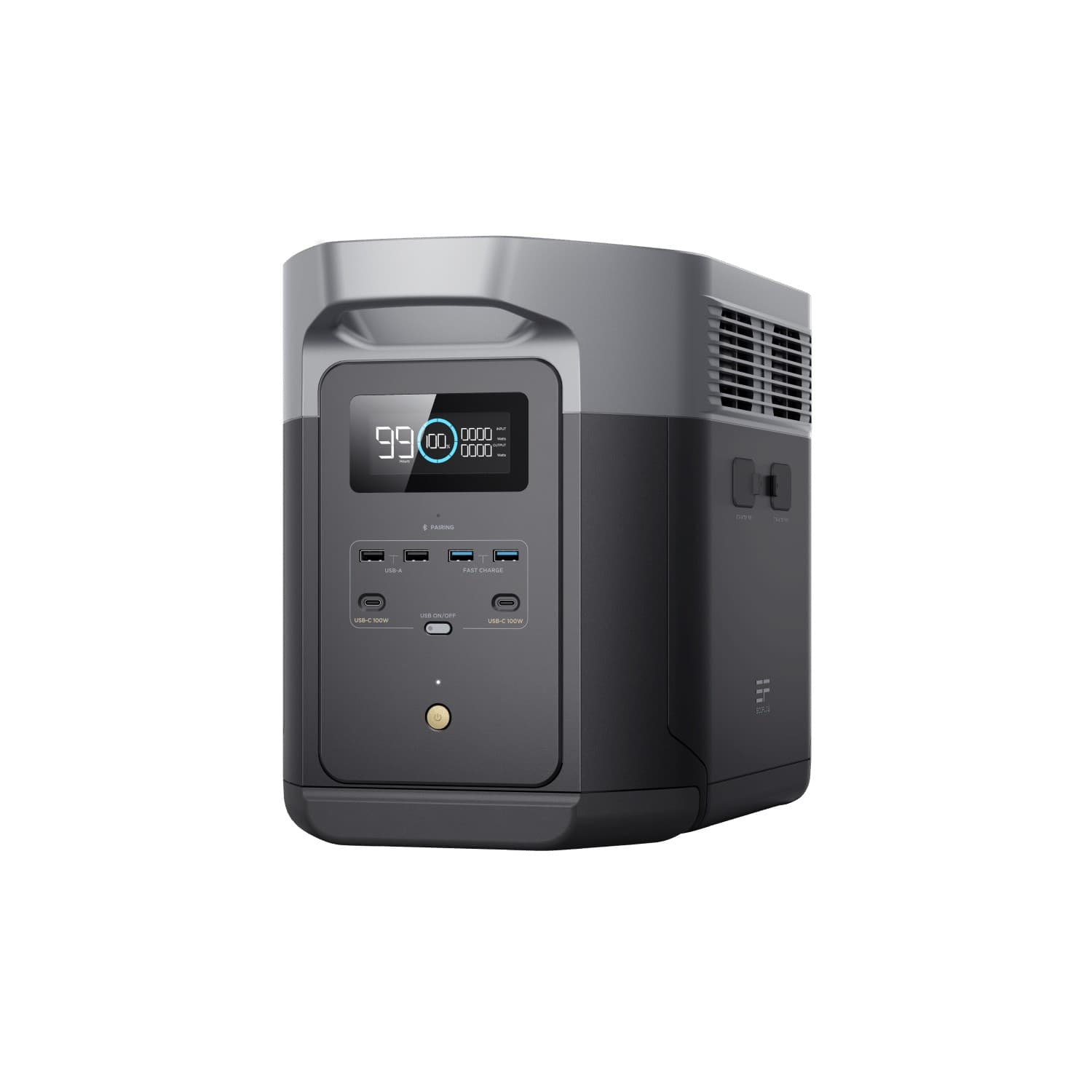
EcoFlow Delta 2 Max

EcoFlow Delta 2 Max

Evaluated for household use · Affiliate links disclosed

Built for large families and extended outages

Why we chose it

When the standard Delta 2 isn't enough, the Max doubles capacity to 2,048 Wh and bumps output to 2,400 W — enough to start and run heavy appliances that smaller stations stall on.

Buy From

EcoFlowRead the full review

Affiliate links · We earn a small commission at no cost to you. How this works
We evaluate every pick for real-world reliability.

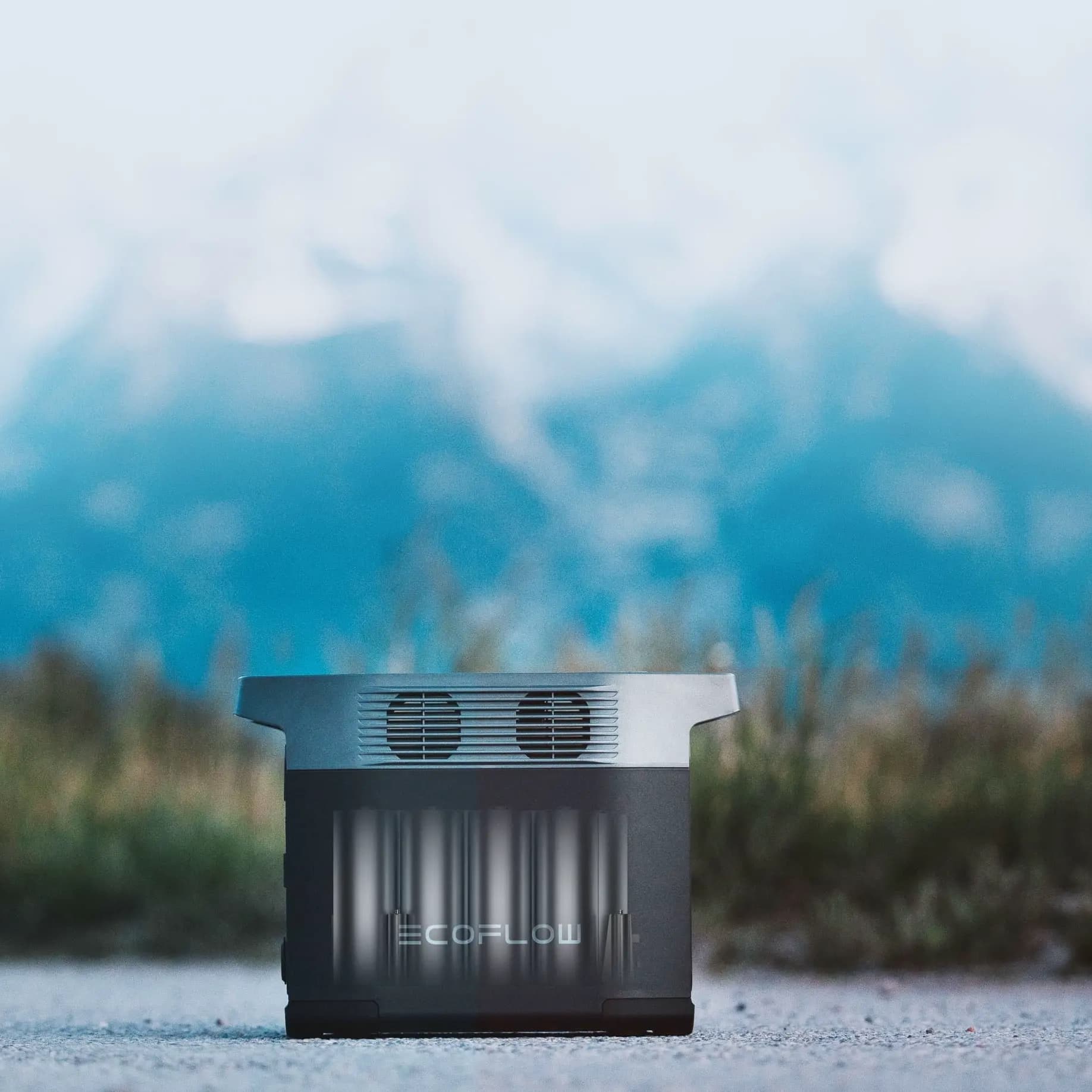
EcoFlow Delta 2

EcoFlow Delta 2

Evaluated for household use · Affiliate links disclosed

A reliable option for most households

Why we chose it

The DELTA 2 balances fast charging, safe indoor chemistry, and expandable capacity — with plug-and-play solar readiness when you want to add panels.

Buy From

EcoFlowRead the full review

Affiliate links · We earn a small commission at no cost to you. How this works
We evaluate every pick for real-world reliability.

Sources we consulted

Official Reference Materials

  • FEMA Winter Preparedness Guide
  • National Weather Service Freeze Safety Checksheet
  • Red Cross Extreme Cold Guidelines