On a slow or spotty connection?

This is educational content. In an active emergency, call 911. See our Terms of Service for full liability information.

Your AC died in a heat wave.

This is more than uncomfortable — heat can get dangerous fast, and summer repairs can take days. Here's how to keep your household cool and safe while you wait.

If any of these happen, act first

  • Someone stops sweating, gets confused, or their skin turns hot and dry. That's heat stroke territory — call 911 now, move them somewhere cooler, and cool them with wet cloths while you wait. Per the CDC, minutes matter here.
  • A person or pet is in a parked car. Get them out immediately. A closed car can climb 20 degrees in 10 minutes, even with the windows cracked.
Here's why heat turns dangerous so fast. Heat is the number-one weather-related killer in the US — more than storms or floods — and it sneaks up on people. When your AC quits during a heat wave, your walls and roof keep soaking up sun, so indoor temps can actually climb past the outdoor reading within a few hours. Your body cools itself by sweating, but once the air is hot and still, sweat stops doing its job. That's when heat illness sets in, and it moves quickly: cramps, then exhaustion, then heat stroke — which is a true emergency. The whole goal is simple: keep your body and your home as cool as you can.
First things first

What breaks first

01

The house heats up fast

Once the AC stops, your walls and roof keep absorbing sunlight and radiating it back inside, so the house can get hotter than it is outdoors. Upstairs rooms take the worst of it, since heat rises and pools up there. A closed-up home holds that heat well into the night. Within a few hours, the indoor temperature becomes the main thing you are managing.

02

Some people feel it first

Heat doesn't hit everyone equally. Adults over 65, kids under four, pets, and anyone on heart or blood-pressure medication are at real risk long before a healthy adult feels rough. They often won't notice or say anything until they're already in trouble. That's why checking on them often beats trusting them to speak up.

03

Food spoils faster

A hot kitchen makes your fridge work harder to hold its temperature, and if the grid is straining, the power may cut out too. Food that's normally fine for hours can turn quickly in a warm room. Keep the fridge shut and don't leave cooked food sitting out. In a heat wave, the 'when in doubt, throw it out' rule kicks in sooner.

04

Blackouts cut your fans

Heat waves push the power grid to its limit, which is exactly when utilities order rolling blackouts. So the moment you need fans and AC most, the power can vanish too. That turns a hot house into a serious one in a hurry. Knowing where the nearest cooling center is — or having a backup way to run a fan — matters before that happens.

Free to do now

Start with these — they cost nothing

You can do every one of these right now, with what's already in your home.

  • Close blinds on the sunny side — blocking direct sun keeps rooms noticeably cooler all day.
  • Open windows after dark — let the cooler night air in, then shut everything by morning to trap it.
  • Move to the lowest floor — heat rises, so the shadiest downstairs room will be the coolest spot.
  • Drink before you feel thirsty — sip water through the day and skip caffeine and alcohol, which dry you out.
  • Cool your body directly — a damp towel on the back of your neck and a cool shower bring your temperature down fast.
Download printable checklist

One page with tick boxes — print it or keep it on your phone. No account needed.

As time passes

What to do, hour by hour

Under 12 hours

Keep the heat out, watch your people

  • Close every blind and curtain on the sunny side to block radiant heat.
  • Run fans to move air across skin — that helps you cool even when the air is warm.
  • Get everyone sipping water before they feel thirsty; skip caffeine and alcohol.
  • Move to the lowest, shadiest floor and stay still during the hottest hours.
  • Watch kids, older adults, and pets for dizziness, headache, confusion, or no sweating.
  • Put a cool, damp cloth on the neck, wrists, and ankles to drop body temperature.
12–48 hours

Find cooler air

  • Spend the hottest part of the day somewhere with AC — a library, mall, theater, or cooling center.
  • Check your city's website or call 211 for cooling-center locations and hours.
  • Check on older neighbors and anyone living alone; offer a ride to cool air.
  • Keep the fridge and freezer shut to protect food while the kitchen is hot.
  • Take cool (not cold) showers a few times a day to reset your body temperature.
  • Never leave a child or pet in a parked car, even for a minute — it heats to deadly fast.
48 hours and beyond

Make safe calls

  • If the house won't drop below the low 80s at night, plan to stay somewhere cooler.
  • Know the signs of heat stroke — hot skin, confusion, fainting — and call 911 if you see them.
  • Never use a gas grill or stove indoors to cope; it adds heat and carbon monoxide.
  • If the power's out too, a power station can run a fan or small AC unit safely indoors.
  • Keep hydrating and resting — recovery from heat strain takes longer than people expect.
Know the line

When it's more than an inconvenience

When to call 911

  • Confusion, slurred words, or fainting in the heat.
  • Hot, dry skin after sweating stops — or a body temp over 103°F.
  • A seizure, or someone you can't wake up.

When to leave

  • The AC is out, the inside of your home keeps climbing, and someone vulnerable lives there — head to a cooling center, a library, or a friend's place with AC. Your county posts cooling center locations on hot days.
Extra care

If someone in your home is vulnerable

Adults 65 and older. Older bodies sweat less and sense temperature changes slowly, so they can overheat without realizing it — and heart or blood-pressure medications make it worse. Check on them every couple of hours, keep them drinking, and move them to air conditioning early rather than hoping the house cools down on its own.

Children under four. Little kids heat up three to five times faster than adults and can't always tell you they feel sick. Keep them in light clothing, out of direct sun, and sipping water or milk often. Watch for flushed skin, fussiness, or unusual sleepiness — and never leave them in a car for even a moment.

Anyone on heart or diuretic medications. Some common medications — for blood pressure, heart conditions, or fluid retention — change how the body handles heat and water. If someone takes them, they're at higher risk and should get to cool air sooner. Don't change any medication on your own; just treat the heat as more urgent for them.

Pets. Dogs and cats can't sweat — they cool by panting, which barely works in a hot house. Give them shade, cool water, and a tile floor to lie on, and never leave them in a parked car or a sunny yard. Heavy panting, drooling, or stumbling means they need to cool down right now.

Worth knowing

Easy mistakes to avoid

01

Trusting a fan to do an AC's job

Once indoor temps reach the mid-90s, a fan alone can't prevent heat illness — per the CDC. It moves hot air, it doesn't remove it. Cool showers and a cooler location beat a fan on the worst days.

02

“Hydrating” with beer or iced coffee

Alcohol and caffeine both work against you in the heat. Water and electrolytes are the job — boring, and correct.

03

Mowing the lawn at noon

Hard outdoor work belongs in the early morning during a heat wave. The chores will wait; heat stroke doesn't.

04

Forgetting the medicine cabinet

Some medications lose potency in the heat, and some make you more heat-sensitive — insulin is the classic one. Keep meds cool and ask your pharmacist which of yours matter.

If you want to be readier

Gear that helps in this situation

When the grid strains, a power station keeps fans and a small AC unit running through a blackout — safely, with no carbon monoxide.

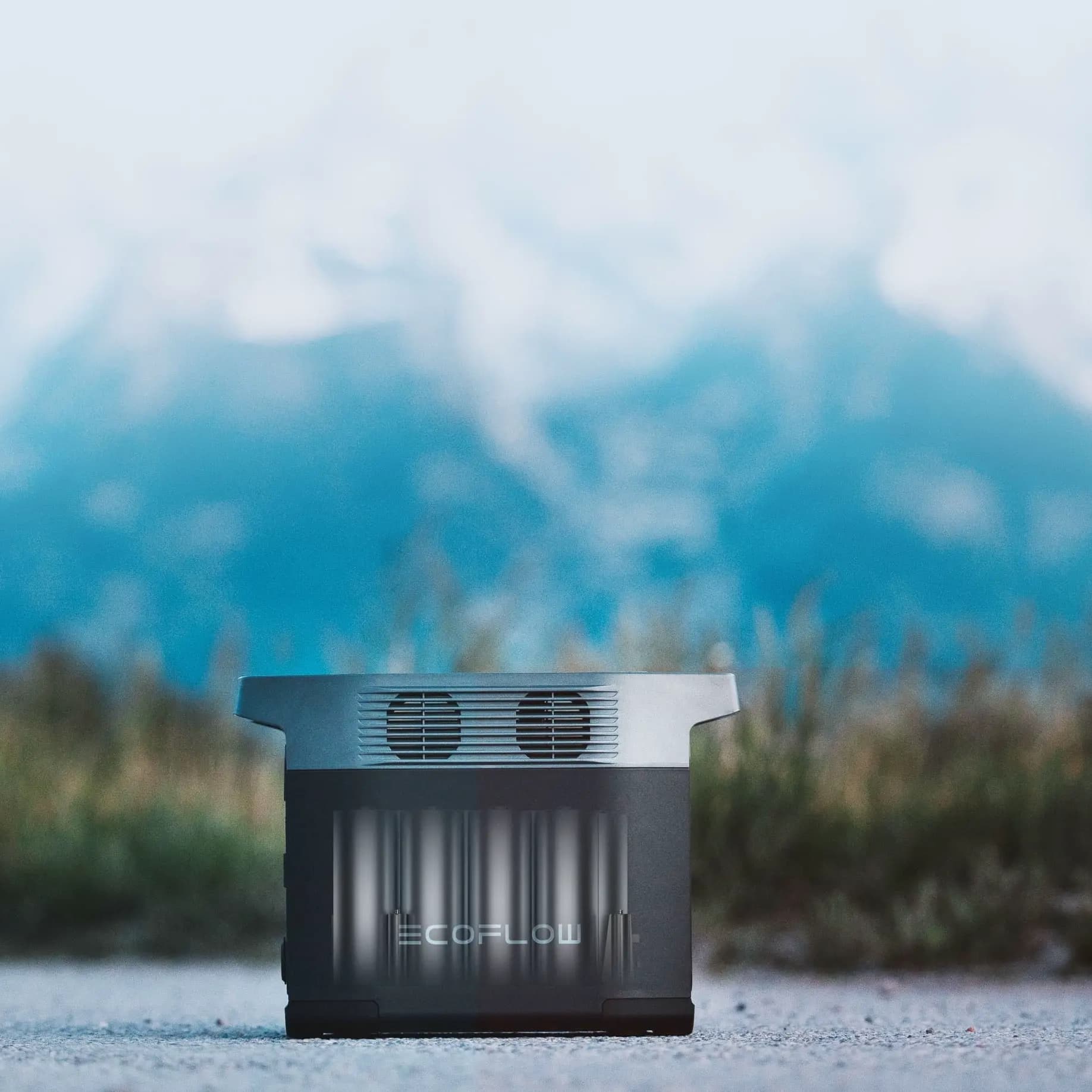
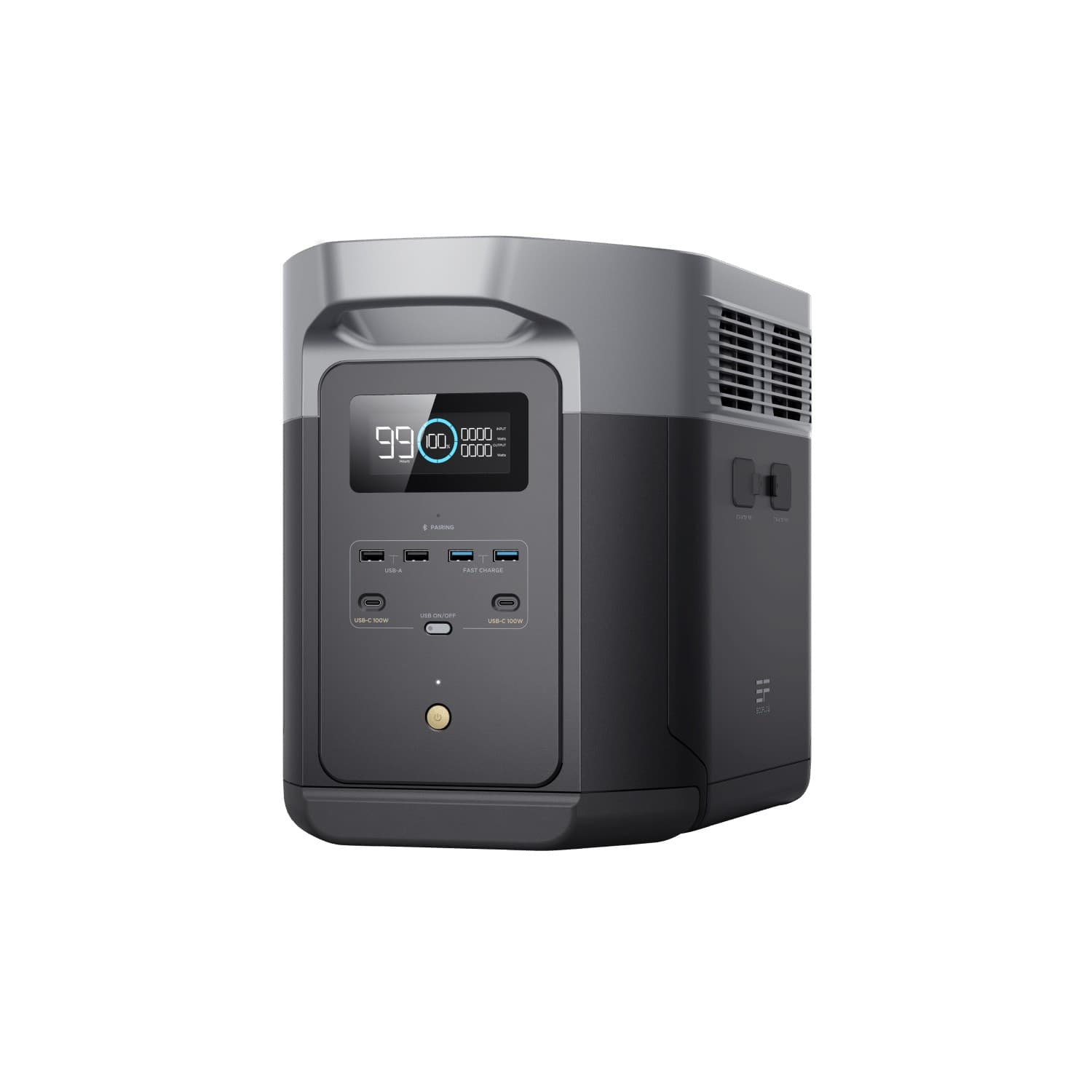
EcoFlow Delta 2

EcoFlow Delta 2

Evaluated for household use · Affiliate links disclosed

A reliable option for most households

Why we chose it

The DELTA 2 balances fast charging, safe indoor chemistry, and expandable capacity — with plug-and-play solar readiness when you want to add panels.

Buy From

EcoFlowRead the full review

Affiliate links · We earn a small commission at no cost to you. How this works
We evaluate every pick for real-world reliability.

EcoFlow Delta 2 Max

EcoFlow Delta 2 Max

Evaluated for household use · Affiliate links disclosed

Built for large families and extended outages

Why we chose it

When the standard Delta 2 isn't enough, the Max doubles capacity to 2,048 Wh and bumps output to 2,400 W — enough to start and run heavy appliances that smaller stations stall on.

Buy From

EcoFlowRead the full review

Affiliate links · We earn a small commission at no cost to you. How this works
We evaluate every pick for real-world reliability.

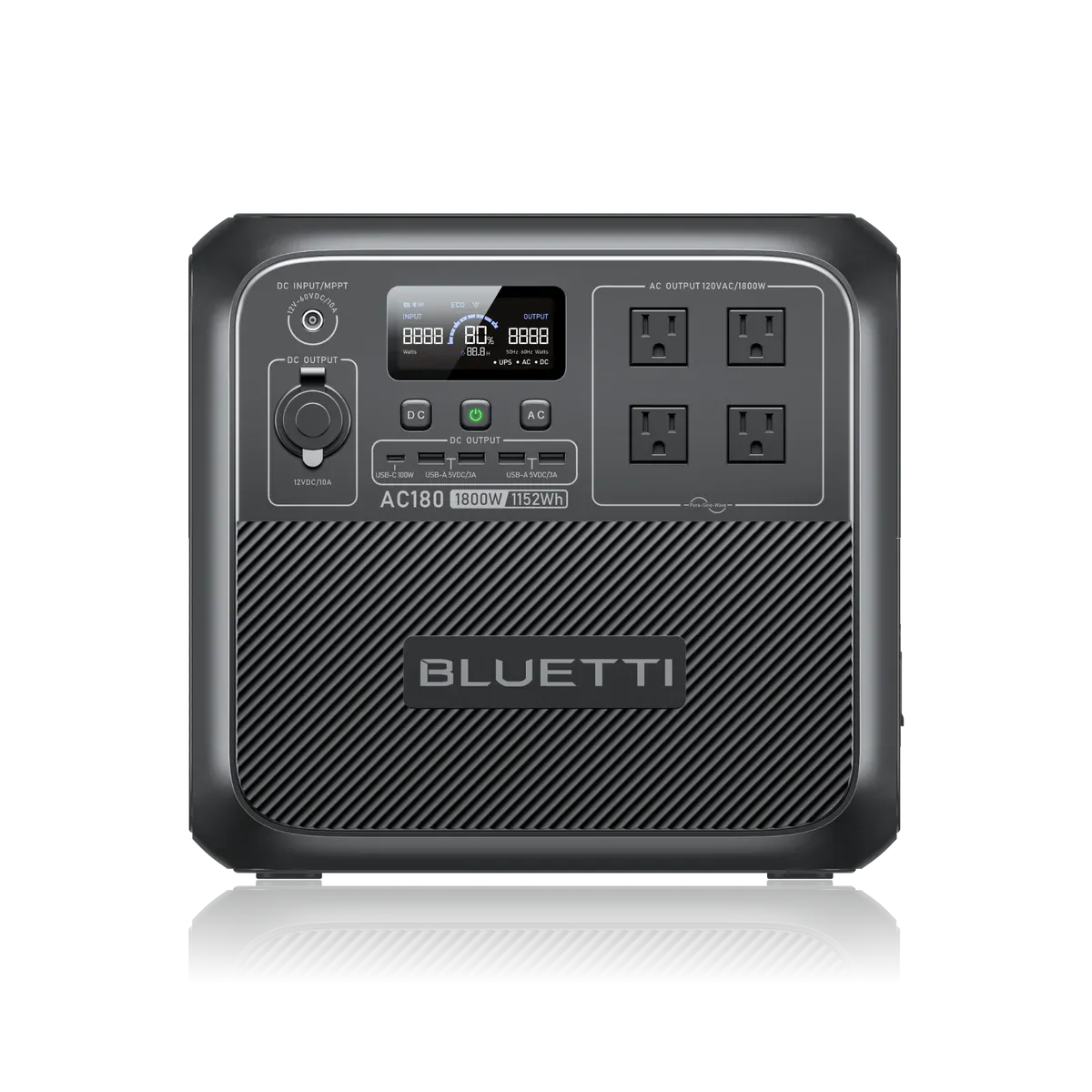
BLUETTI AC180

BLUETTI AC180

Evaluated for household use · Affiliate links disclosed

A solid value pick for budget-conscious households

Why we chose it

A safe LFP battery with a genuine 1,800-watt output and a standby battery-backup (UPS) mode for noticeably less than the premium units — enough to cover a household's essentials, with the UPS riding through brief grid flickers without rebooting.

Buy From

BLUETTIRead the full review

Affiliate links · We earn a small commission at no cost to you. How this works
We evaluate every pick for real-world reliability.

Good to know

Questions people actually ask

What's the difference between heat exhaustion and heat stroke?

Heat exhaustion means heavy sweating, cool clammy skin, weakness, nausea, and a fast pulse — a warning sign. Heat stroke is the emergency: skin goes hot and often dry, the person gets confused or passes out, and their temperature spikes. For exhaustion, cool them down and rest. For heat stroke, call 911 immediately while you cool them.

When should I go to a cooling center?

When your home won't stay below the low 80s, when the power's out, or when anyone shows signs of heat strain. Don't tough it out — a few hours in AC resets your body and breaks the heat's hold. Most cities open cooling centers during heat waves; check your city's website or call 211.

Is it safe to leave my kid in the car for just a minute?

No, never — not even with the windows cracked. A car heats up roughly 20 degrees in 10 minutes, and a child's body can't shed that heat. Deaths happen in minutes, even on days that don't feel that hot. Take them with you every single time.

Do fans actually help in extreme heat?

Yes, up to a point. Fans help your sweat evaporate, which cools you — but once the air passes about 95°F, a fan just blows hot air and can make things worse. Pair a fan with a damp cloth or a cool shower, and once it gets that hot, get to AC rather than relying on the fan alone.

How much water should I be drinking?

More than usual, and steadily — don't wait until you're thirsty, since thirst lags behind. A cup of water every 20–30 minutes is a good target when it's very hot. Skip alcohol and heavy caffeine, which pull water out of you. If you're sweating a lot, a sports drink or a pinch of salt in water replaces what you lose.

How do I check on an elderly neighbor without being intrusive?

Keep it simple and warm — knock, say you're checking in because of the heat, and offer water or a ride to cool air. If they don't answer and you're worried, call them, then a relative or a non-emergency line. Most people are grateful, and a two-minute visit can catch trouble early.

Can I sleep in my car with the AC running to stay cool?

Only if it is parked outside in the open, never in a garage — running an engine in an enclosed space causes carbon monoxide poisoning. Even outdoors it wastes fuel and is not a real plan. A cooling center or a friend's place with power is safer and cheaper.

What are the early warning signs I should watch for?

Headache, dizziness, heavy sweating that suddenly stops, muscle cramps, nausea, and feeling unusually tired or irritable. In kids and older adults, watch for flushed skin, confusion, or being hard to wake. Catch it at the cramp-and-headache stage — cool down and hydrate — long before it becomes heat stroke.
When things settle down

The calmest households aren't the most worried ones — they just have a plan. Once this passes, a few quiet minutes now saves a lot of stress next time.